Keeping kids engaged and learning at home does not require expensive toys or complex lesson plans. Often, the most memorable activities are the ones built from simple household items.
DIY crafts and sensory play encourage problem solving, fine motor skills, and self expression. It is a wonderful way to connect with your child after a busy week.
During my years as a pediatric behavioral specialist, I designed sensory-based therapy setups. I observed that open-ended play materials reduce anxiety and build focus in young children.
If you are looking for structured seasonal ideas, check out our curated guide on the summer toddler activity pack. You can also explore our creative diy felt quiet book ideas for fine motor play.
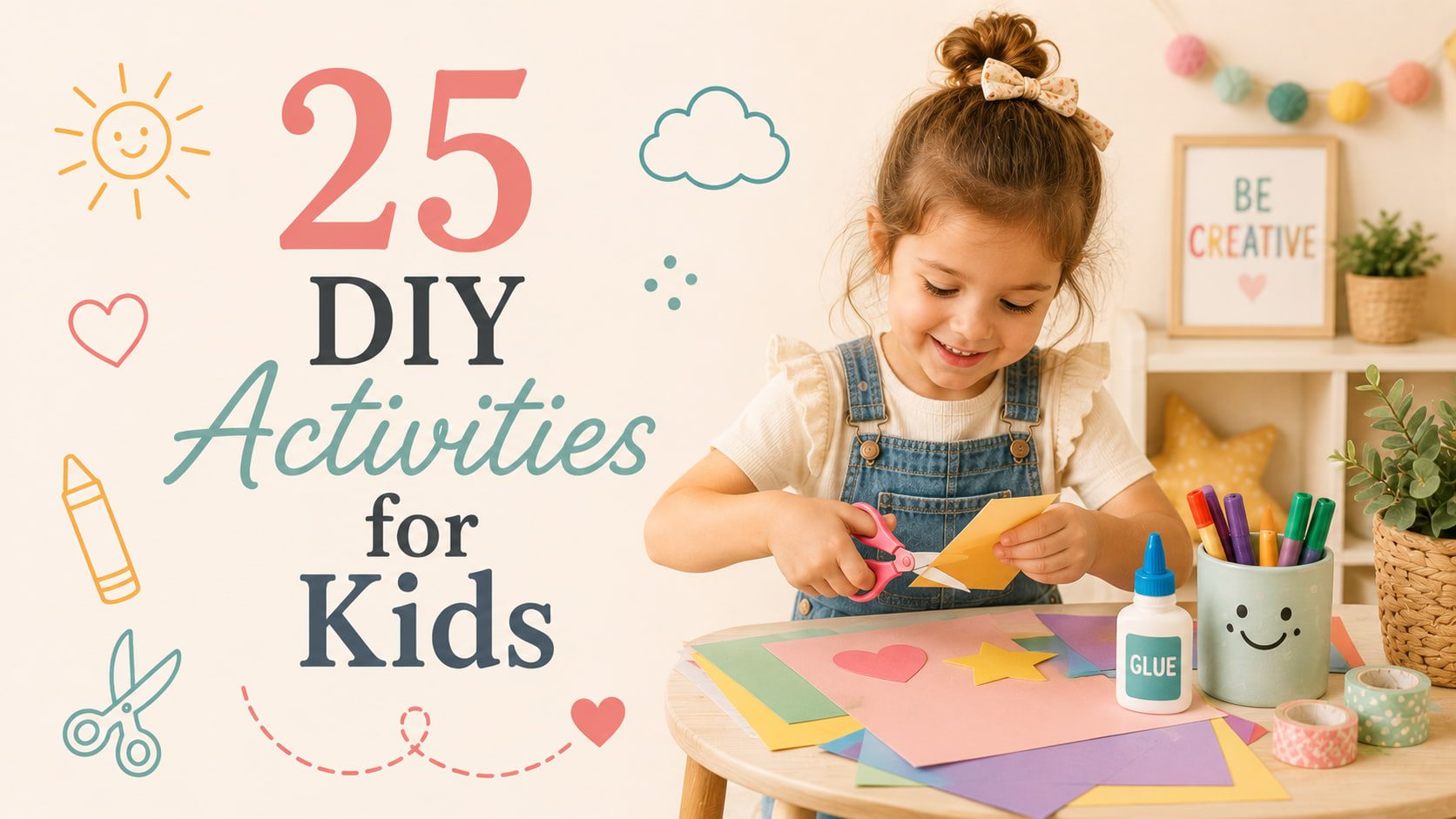
Here are 25 safe, engaging, and simple DIY activities you can set up in your own home today.
Sensory & Messy Play Ideas
These tactile activities help young children develop fine motor control and spatial awareness through sensory exploration.
1. Homemade Organic Playdough
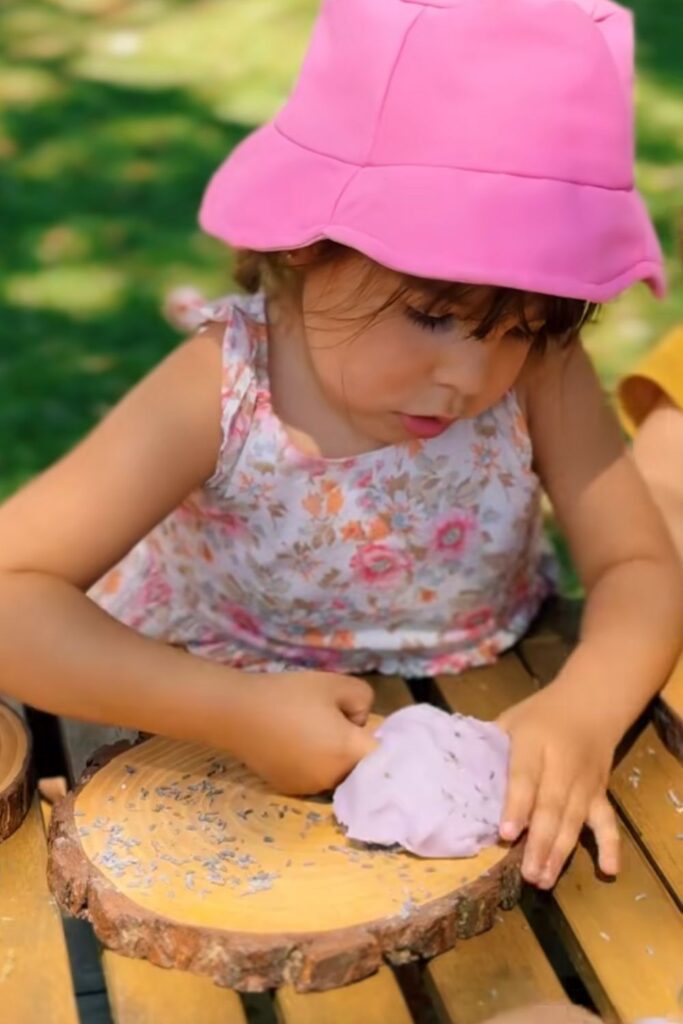
Mix flour, warm water, salt, cream of tartar, and vegetable oil to create a super soft dough. Use natural vegetable juices like beet or spinach to dye the colors.
Always prioritize chemical safety when choosing art materials. Ensure all coloring agents and paint supplies used conform to safety standards.
For detailed advice on selecting non-toxic crafting items, review the AAP art material safety guidelines to keep play safe.
2. Fluffy Cloud Slime
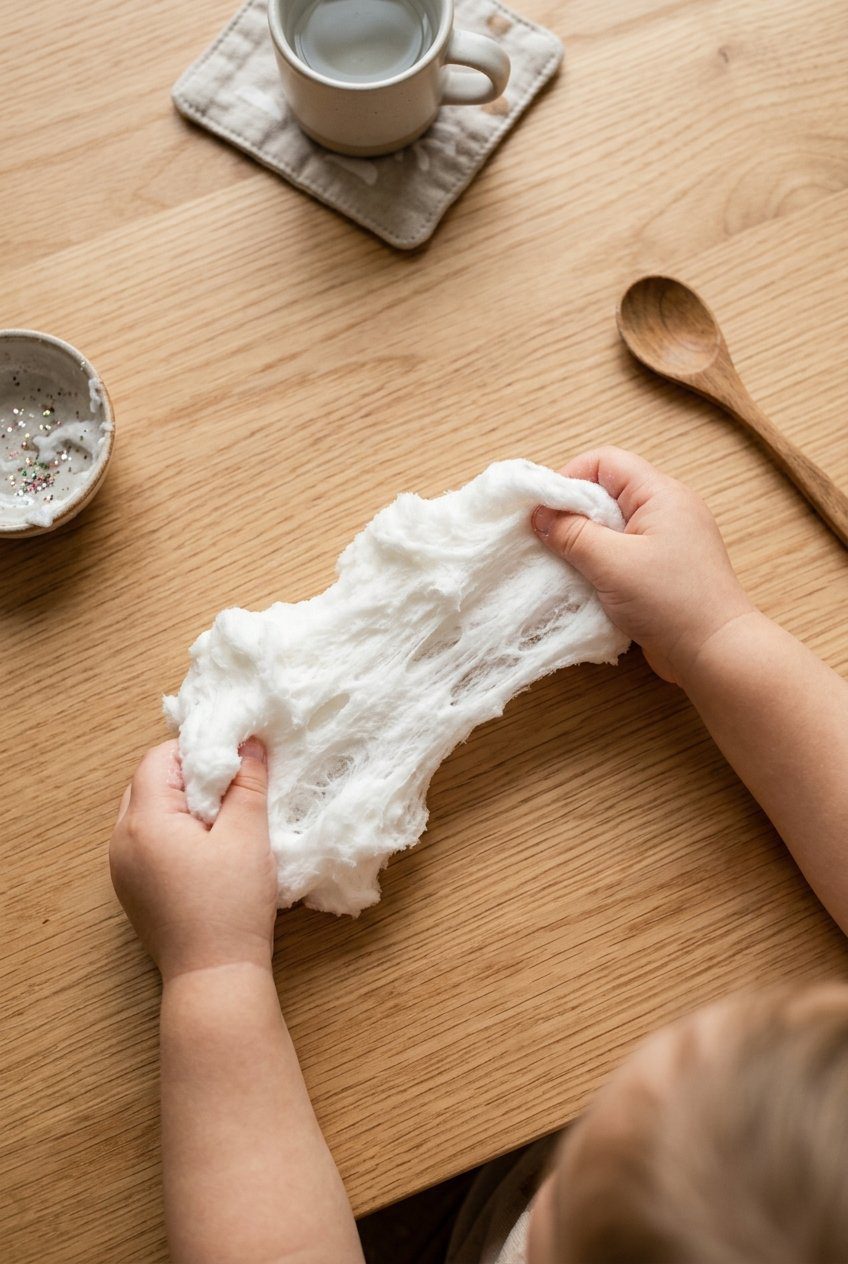
Combine white school glue, shaving cream, and contact lens solution to mix a fluffy, cloud-like slime. The airy texture is highly satisfying and does not leave sticky residues.
This tactile activity is excellent for reducing sensory defensiveness. It is a soothing, calming play option.
3. Scented Lavender Sensory Bin
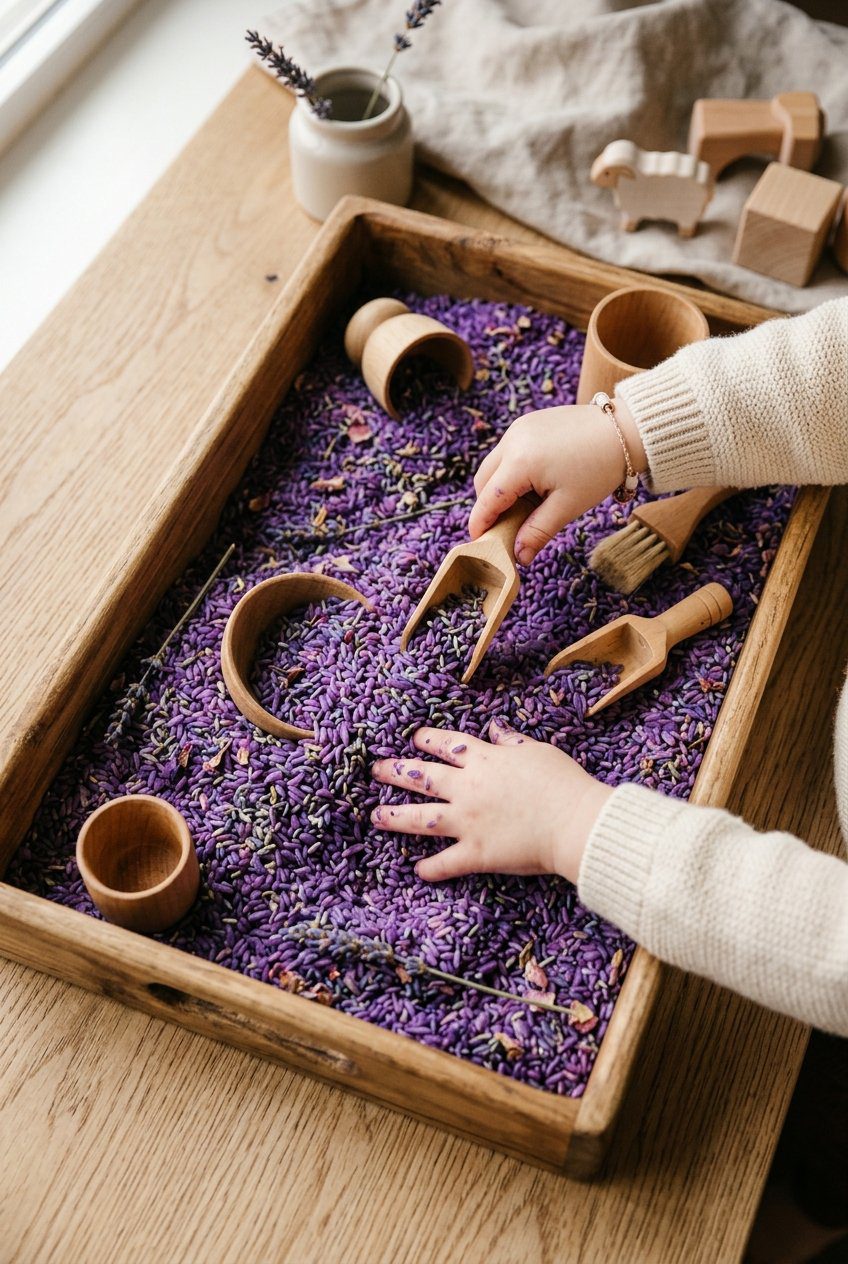
Fill a large plastic bin with dried purple rice, dried lavender buds, and small wooden scoops. The scent of lavender is naturally calming for high energy toddlers.
Provide small bowls and funnel toys. Children will spend hours scooping, pouring, and organizing.
4. Rainbow Rice Treasure Hunt
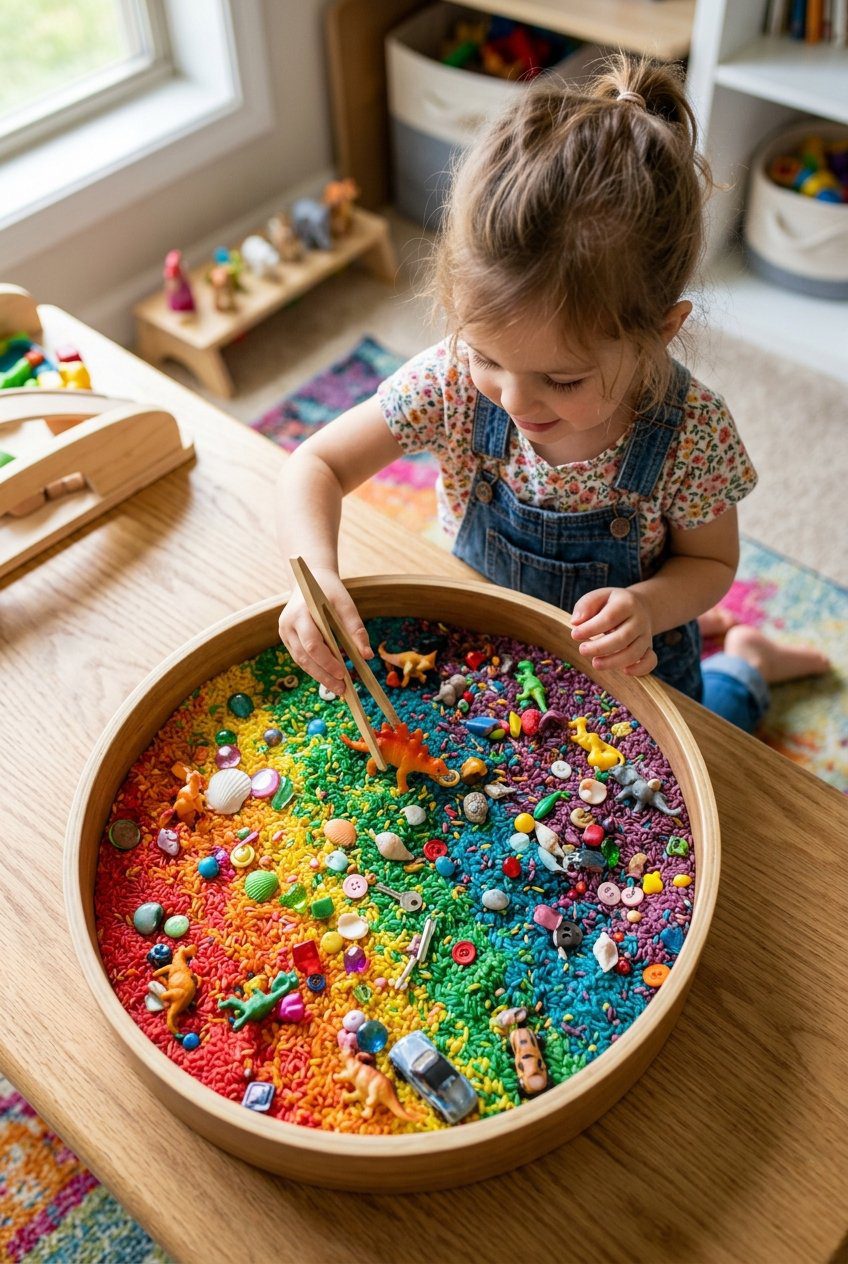
Dye raw white rice in small batches using food coloring and white vinegar. Once dry, mix the colors together in a bin and hide small plastic toys inside.
Give your child a pair of tweezers or a magnifying glass. It builds hand-eye coordination and concentration.
5. Safe Soap Foam Water Play
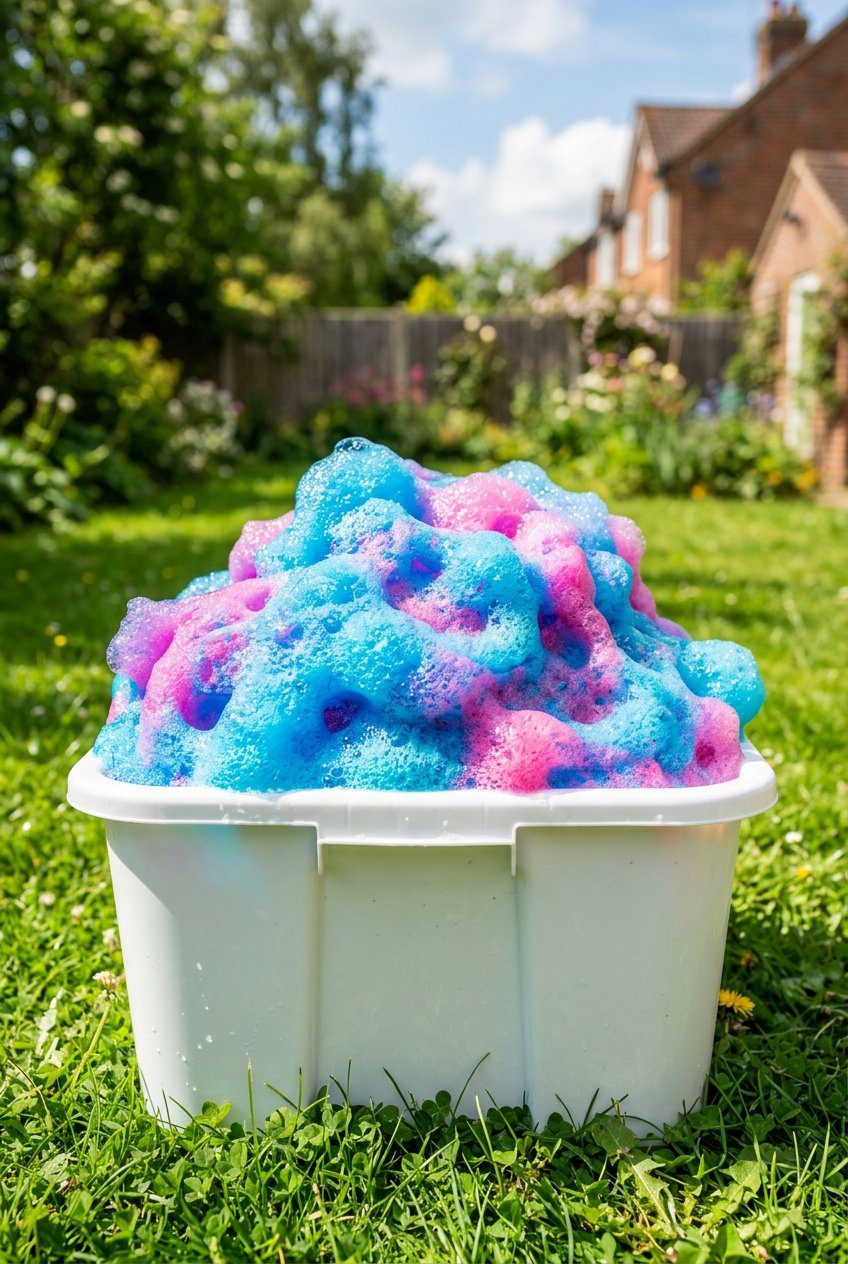
Whip tear-free baby soap, water, and food coloring in a blender to create thick, rainbow foam. Spread the foam in a plastic tub for outdoor play.
This is a low-stress messy activity that washes off easily. It is perfect for warm summer afternoons.
Nature & Outdoor Crafts
These activities encourage children to explore the natural world and collect materials from their backyard.
6. Pressed Leaf Botanical Prints
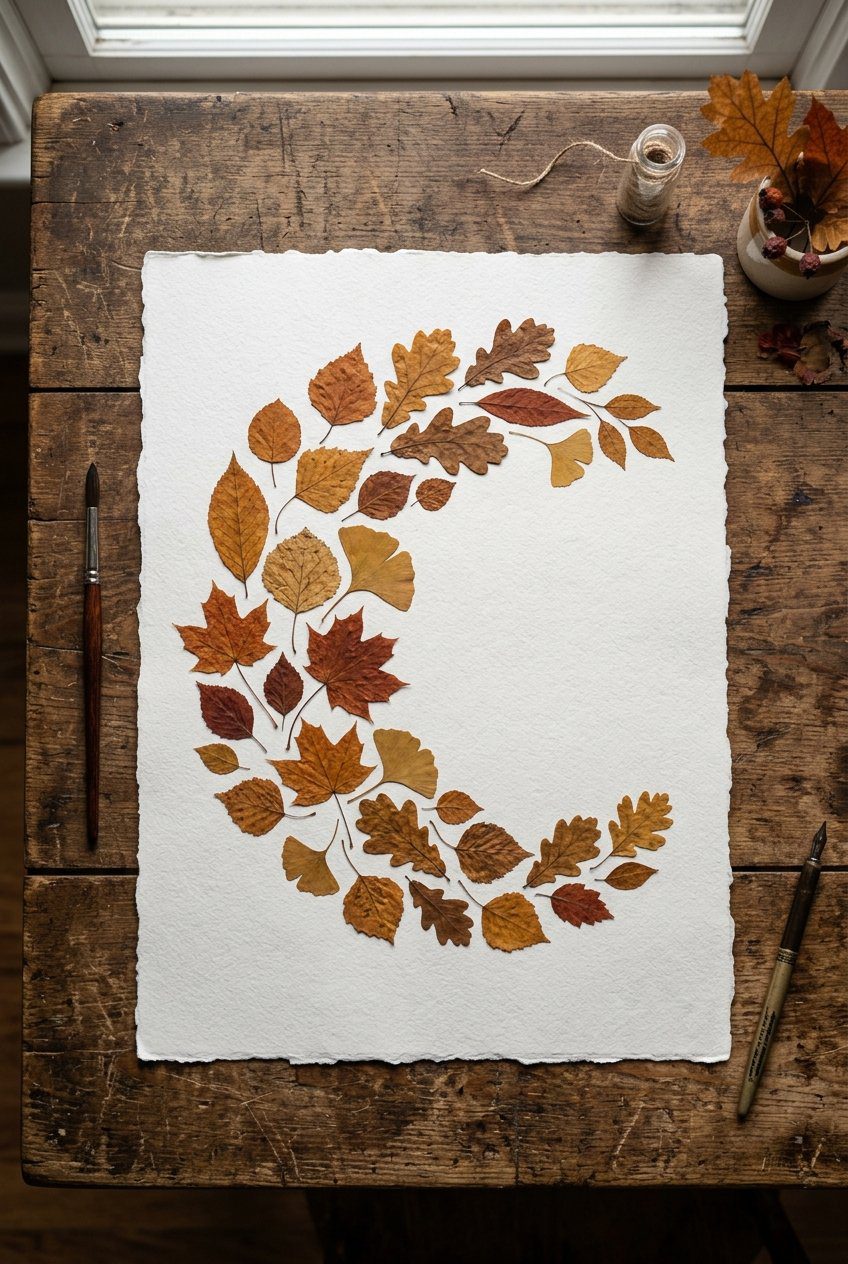
Collect fallen leaves of different shapes during a nature walk. Press them inside heavy books for a few days, then glue them onto cardstock.
This is a wonderful way to talk about the changing seasons. The finished prints make beautiful art for the playroom.
7. Painted Garden Rock Markers
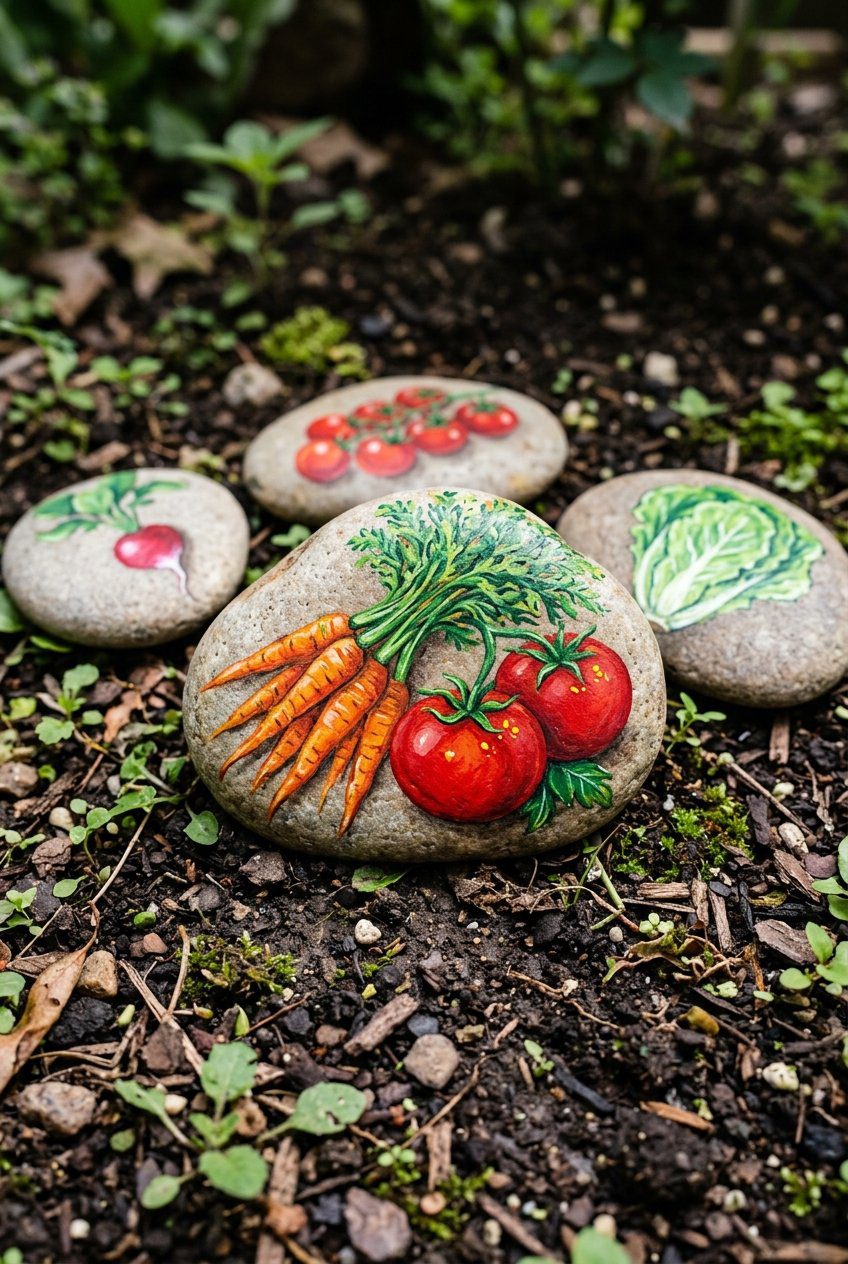
Gather smooth river stones and paint them with bright vegetable or flower designs. Use them to label plants in your backyard garden patch.
Painting on textured, three-dimensional surfaces is a great cognitive exercise. It feels very different from coloring on paper.
8. Nature Hunt Sticky Bracelets
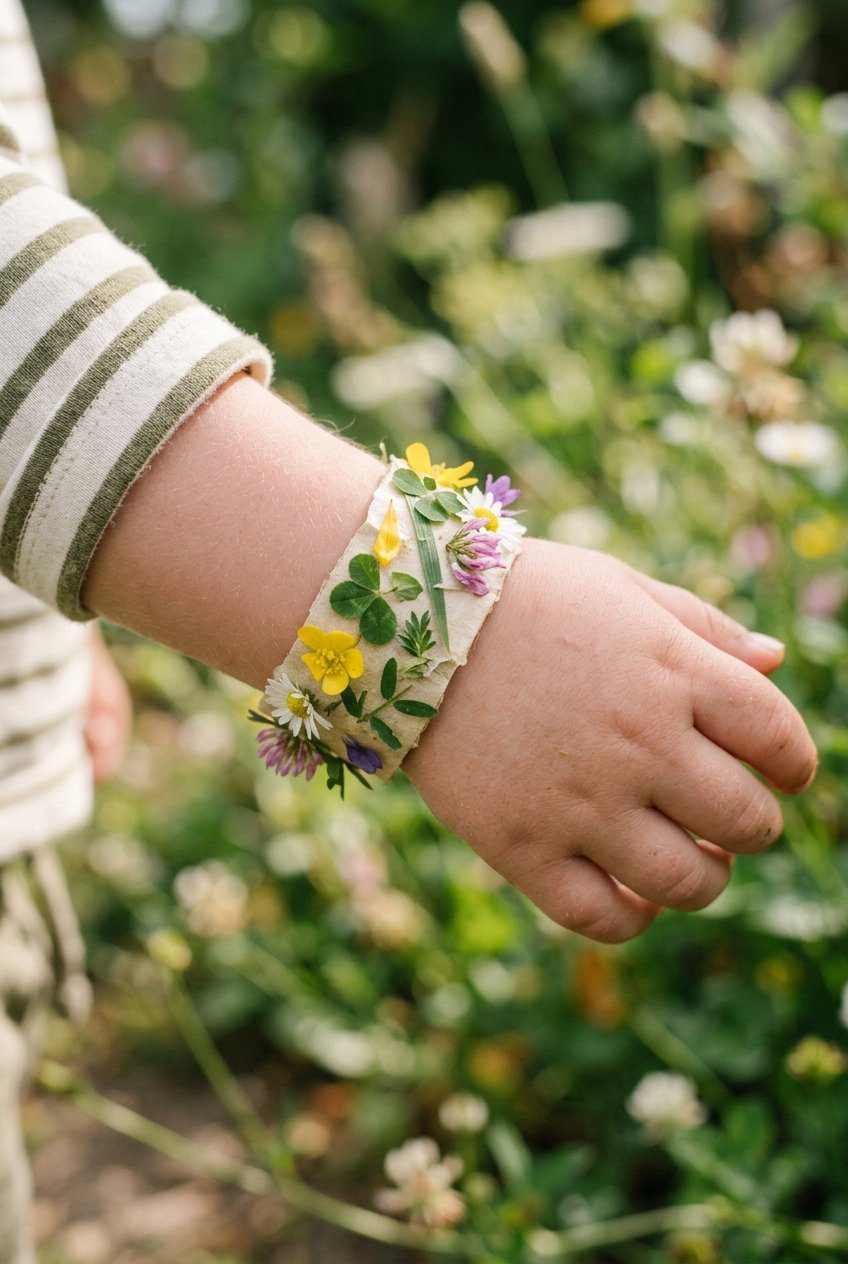
Wrap masking tape inside-out around your child’s wrist to make a sticky bracelet. Let them explore the yard and stick small flower petals and leaves onto the tape.
It turns a standard walk into an interactive treasure hunt. It is a highly active, creative game.
9. DIY Bird Feeder Pinecones
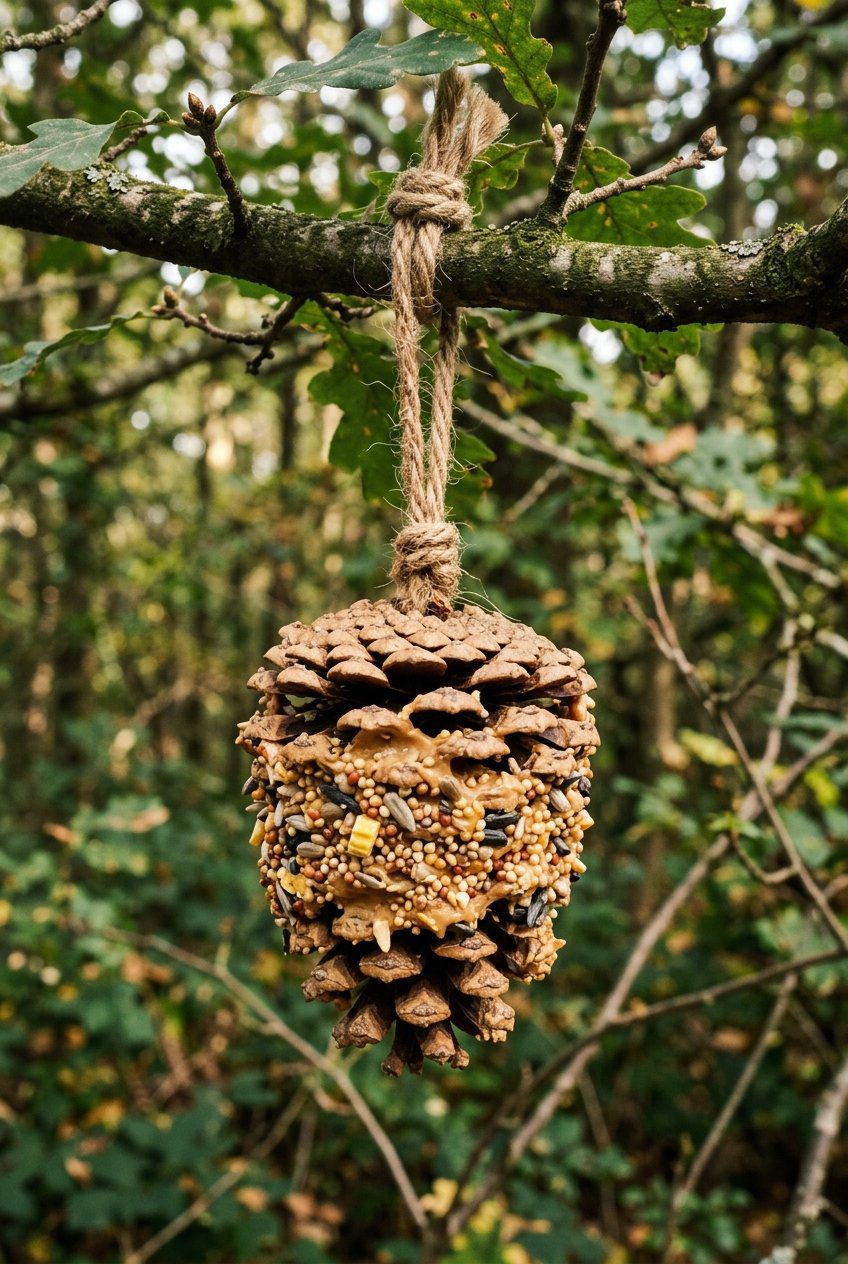
Coat a large pinecone with peanut butter or sunflower seed butter, then roll it in birdseed. Hang the pinecone from a tree branch near a window.
Your child will love watching local birds visit the feeder. It is a wonderful introduction to biology.
10. Outdoor Chalk Obstacle Course
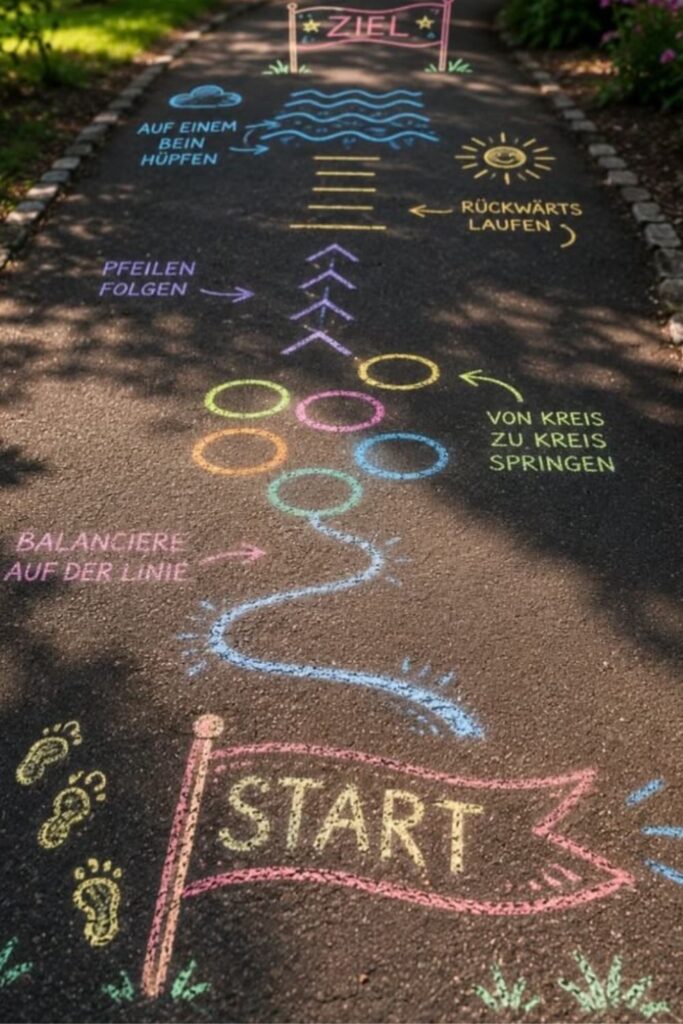
Use colorful sidewalk chalk to draw lines, circles, and instructions on the driveway. Include actions like “spin here,” “hop on one foot,” or “run in a circle.”
This activity develops gross motor skills and burns energy. It is a fantastic outdoor option.
Paint & Color Exploration
These creative ideas allow kids to explore color theory and mixing using clean, safe methods.
11. Mess-Free Zip Bag Painting
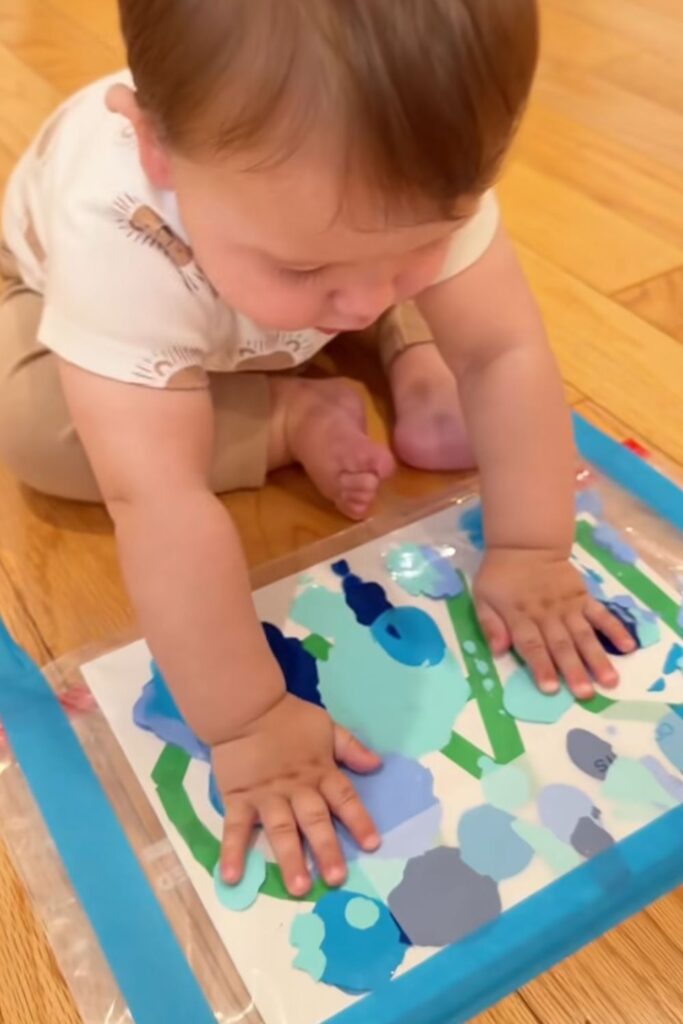
Squirt paint colors into a clear plastic zipper bag and seal it tightly. Tape the bag to a window or tabletop so your baby can squish and mix colors without any cleanup.
This sensory activity is perfect for infants and young toddlers. It offers high visual feedback with zero mess.
12. Colorful Ice Block Excavation
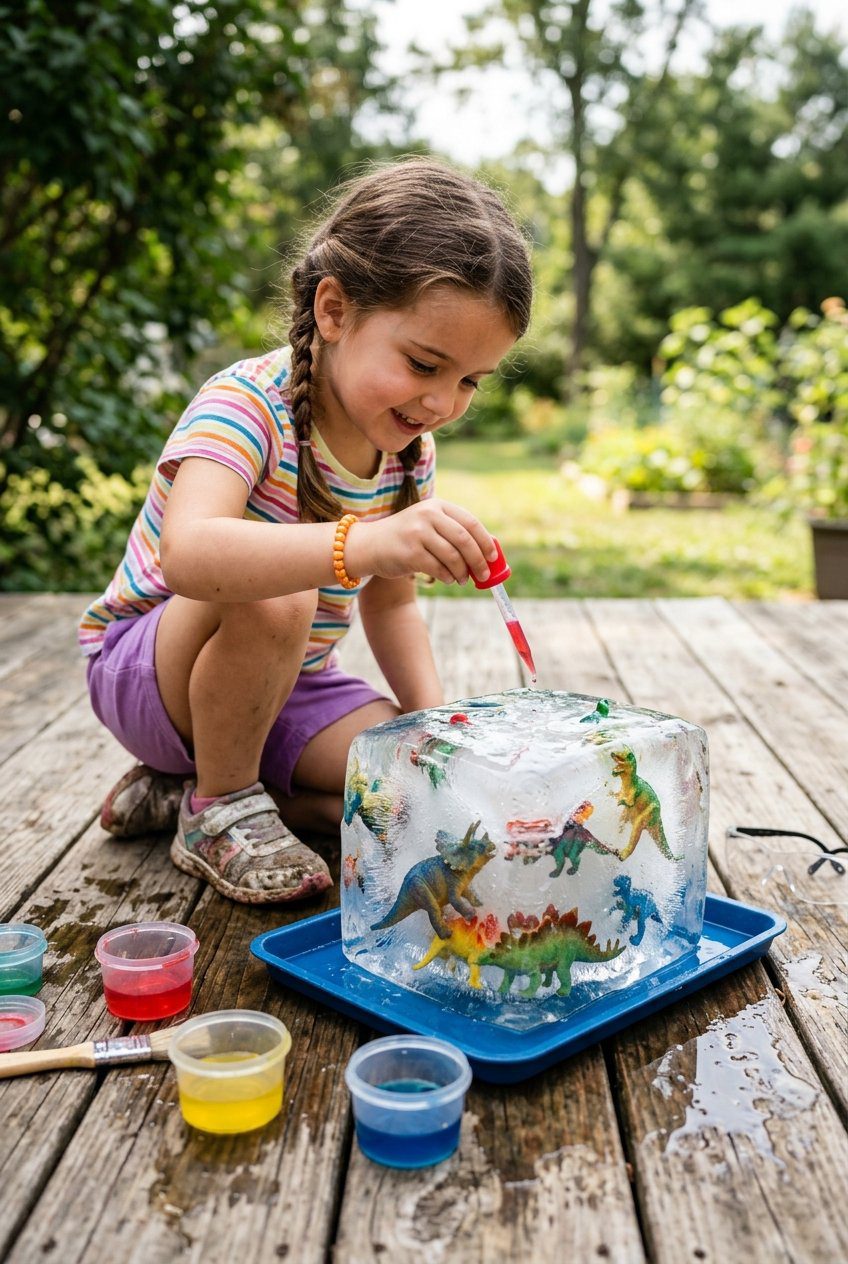
Freeze small plastic dinosaur toys inside a large block of ice. Give your child warm water, salt shakers, and a dropper to melt the ice and rescue the toys.
This is a great science lesson in states of matter. It requires minimal supervision and keeps them focused.
13. Magic Milk Swirl Experiment
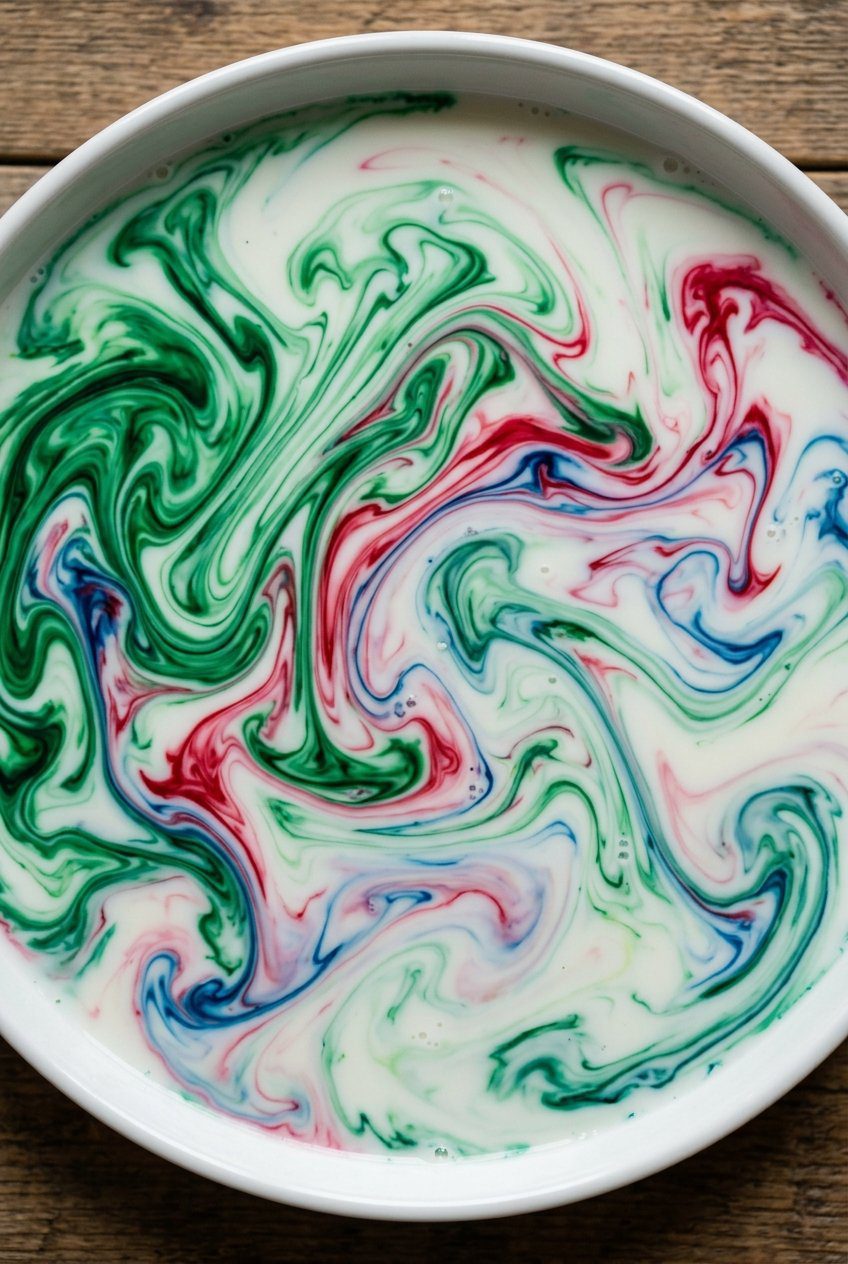
Pour whole milk into a shallow dish and add drops of food coloring. Dip a cotton swab in dish soap, touch it to the milk surface, and watch the colors swirl.
The soap breaks the fat molecules, causing a dramatic swirl reaction. It looks like magical cosmic art.
14. Shaving Cream Rainbow Marbling
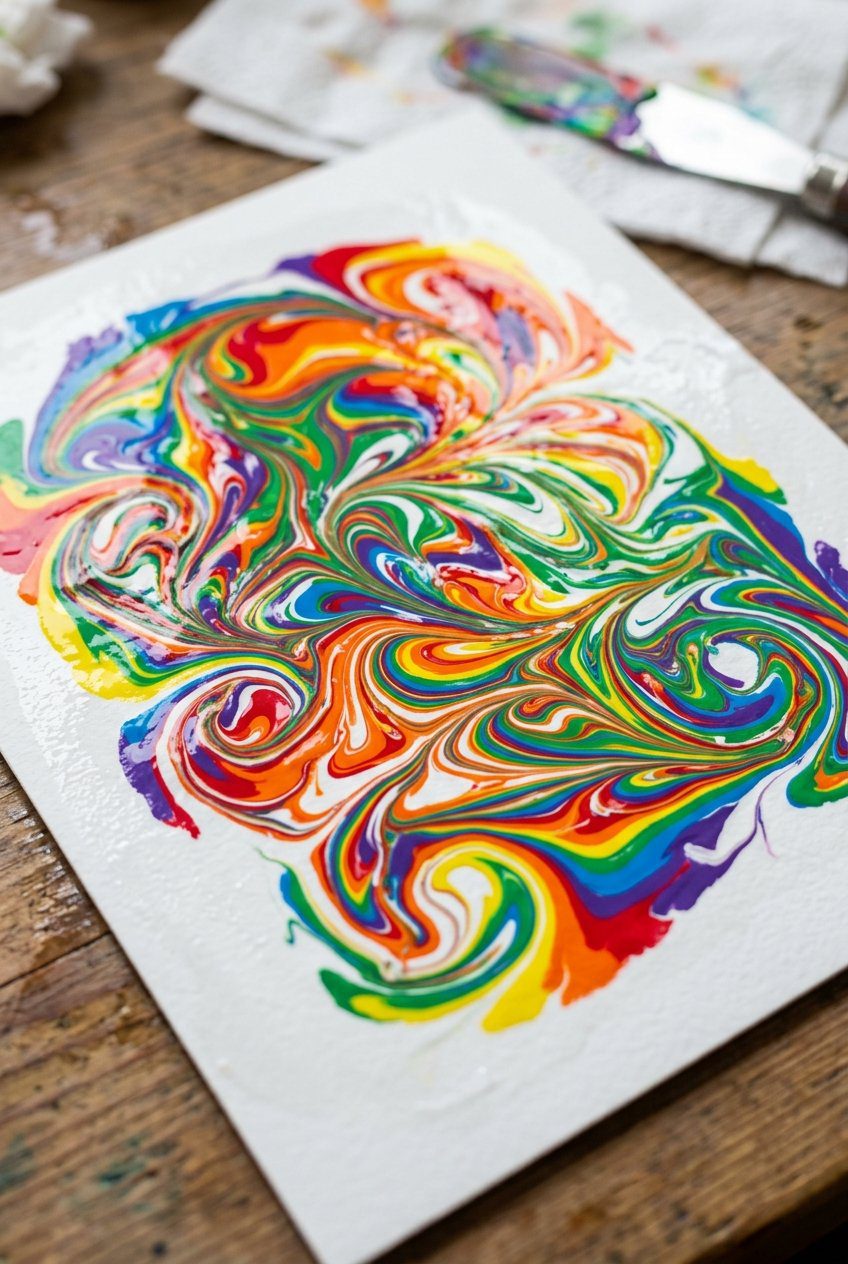
Spread shaving cream on a baking sheet, drop paint on top, and swirl with a stick. Press paper onto the foam, then scrape off the excess shaving cream to reveal marbled prints.
The textured print process is incredibly fun and tactile. Every marble design is completely unique.
15. Bubble Wrap Stomp Painting
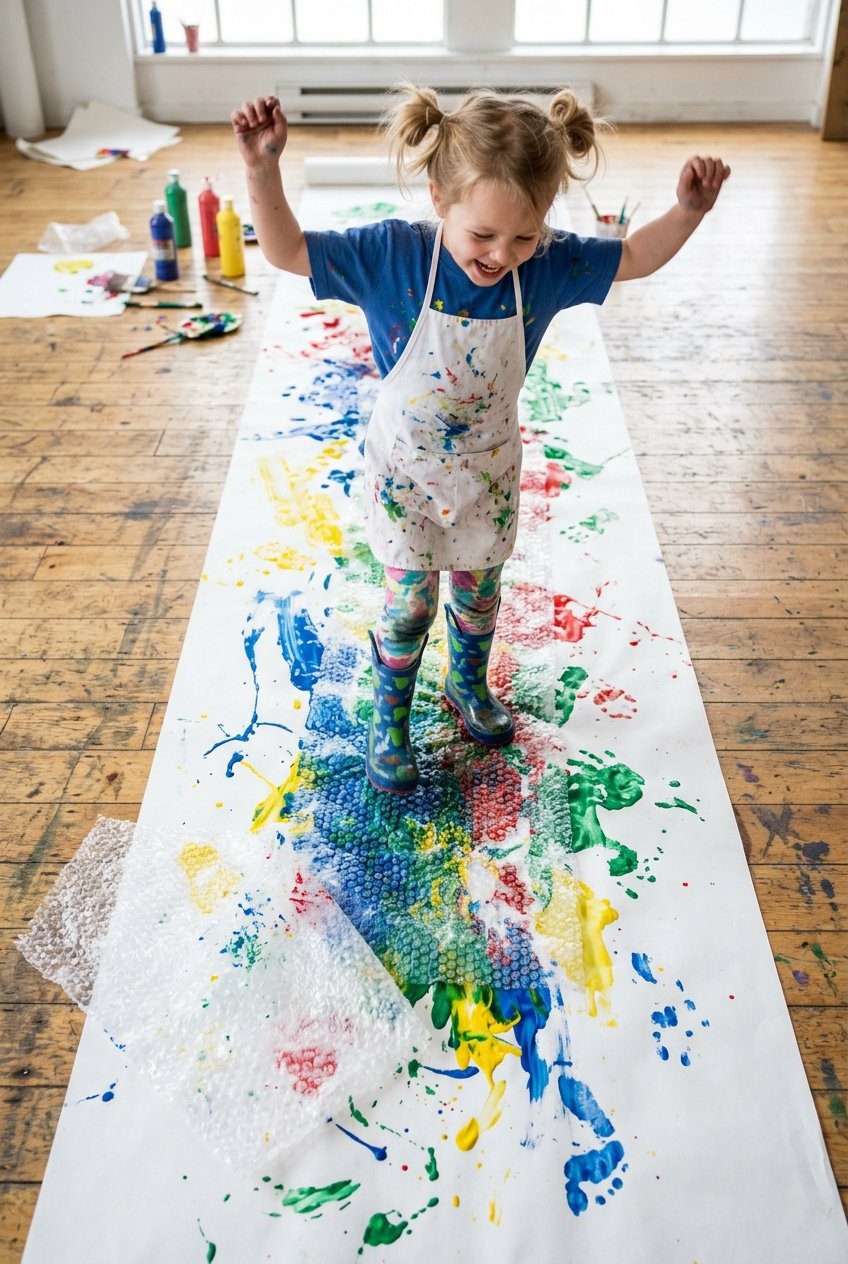
Tape a long roll of paper to the floor, squirt washable paint on it, and tape bubble wrap on top. Let your children stomp and dance to print unique textures.
This is a fantastic gross motor activity that burns energy. It keeps the paint contained under the plastic layers.
Cardboard & Building Projects
These construction activities teach structural principles and encourage open-ended imaginative play.
16. Cardboard Box Pretend Play Castle
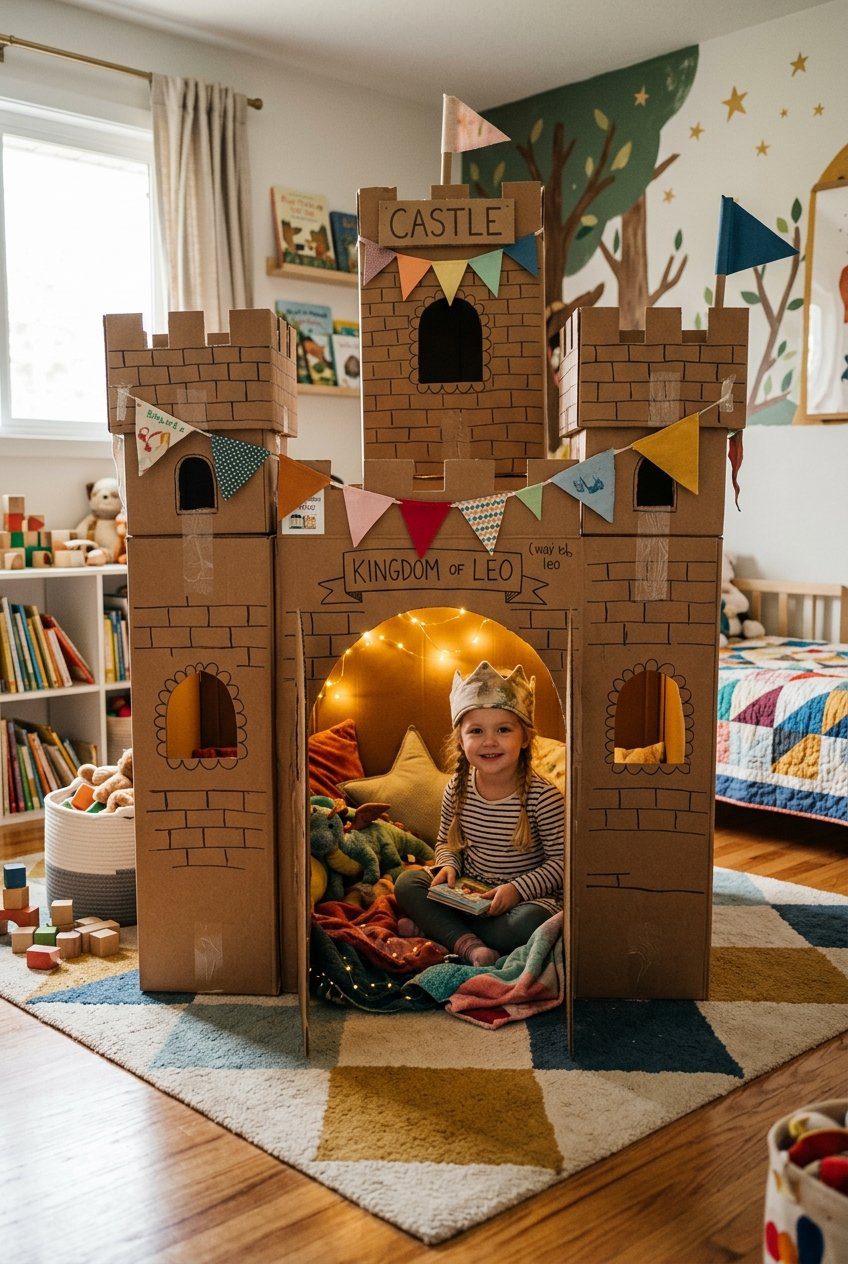
Save large appliance boxes to construct a custom play castle. Cut out windows, draw brick designs, and drape blankets over the top to make a cozy fort.
Children will spend days decorating the inside with crayons and string lights. It provides a private, cozy nook.
17. Toilet Paper Roll Binoculars
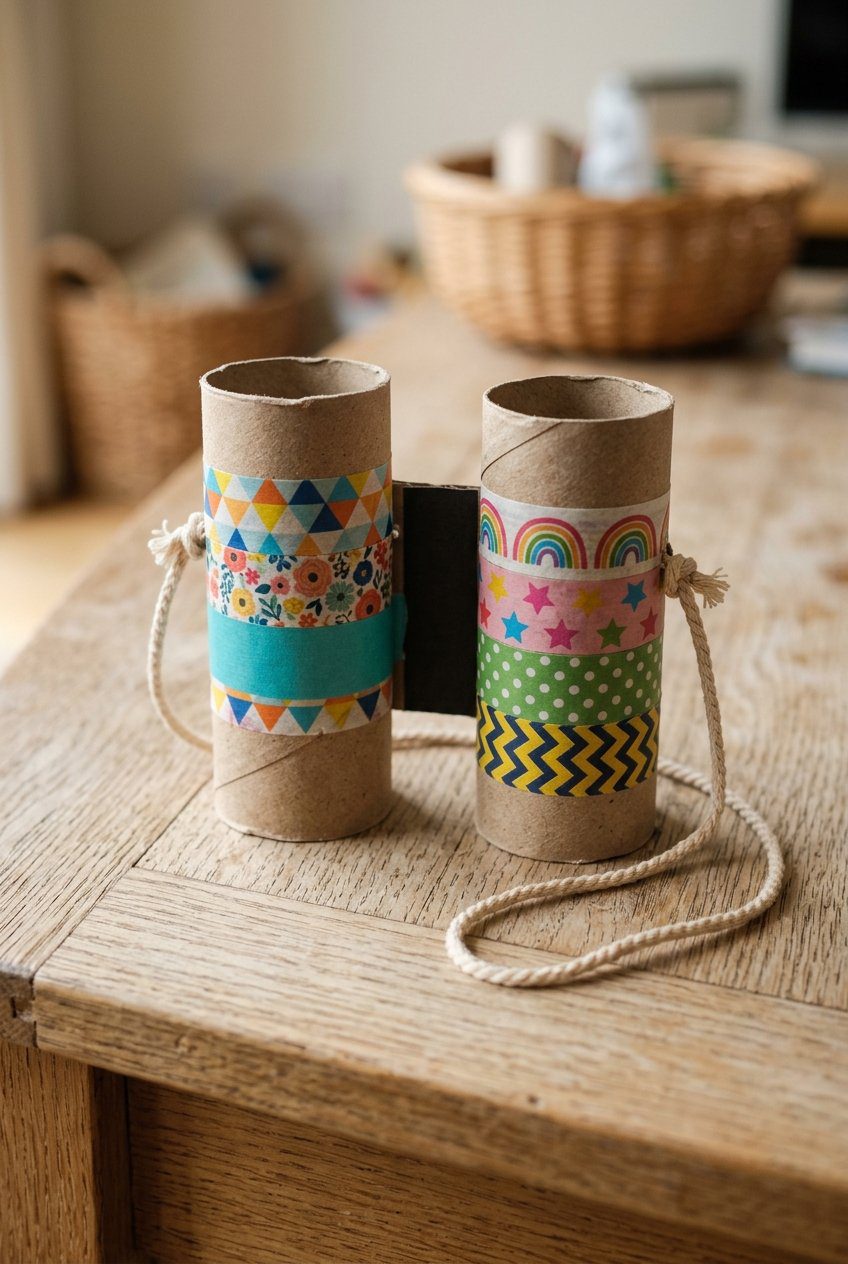
Glue two cardboard tubes together, punch holes in the sides, and attach a yarn neck strap. Let your child decorate them with washi tape and paint.
This classic craft is perfect for safari games around the house. It makes an excellent afternoon toy.
18. Cardboard Ramp Car Racing
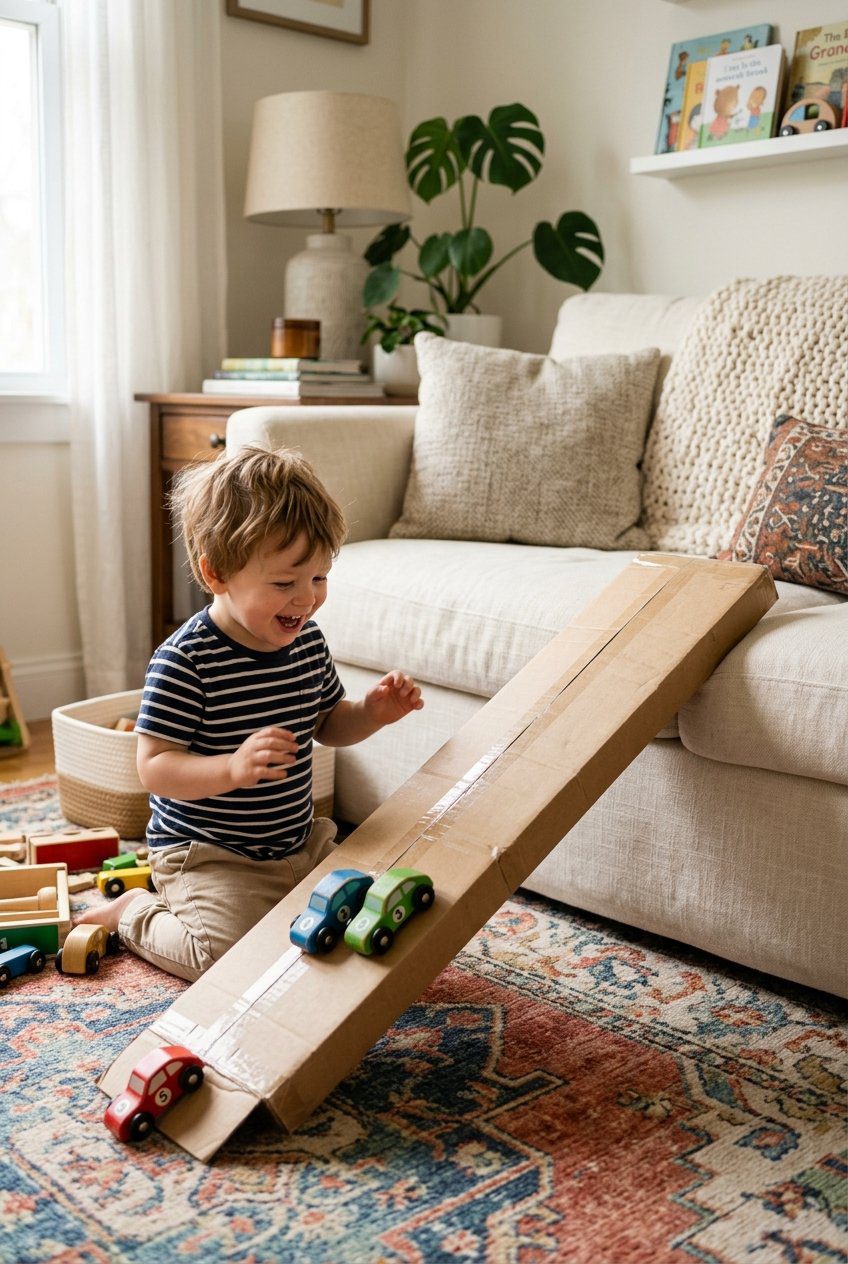
Prop a long, flat piece of cardboard against a couch or chair to build a slide ramp. Race small toy cars down the ramp at different angles.
This is a simple physics experiment in gravity and speed. It offers high replay value.
19. Popsicle Stick Picture Frames
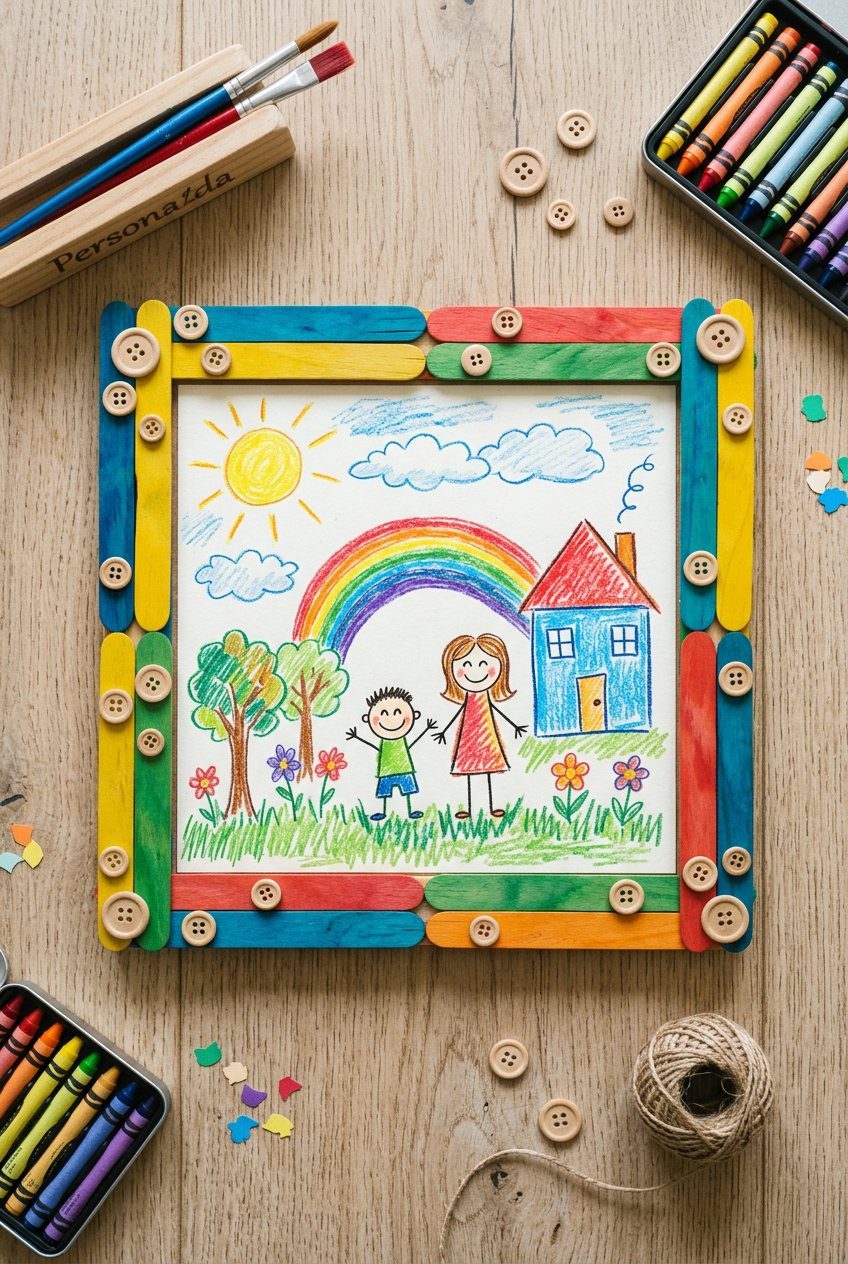
Glue four popsicle sticks together in a square to frame your child’s drawings or photos. Decorate the stick frames with markers, buttons, and glitter.
Attach a small magnet to the back of the frame to display it on the refrigerator. It makes a lovely gift for grandparents.
20. Recycled Egg Carton Flowers
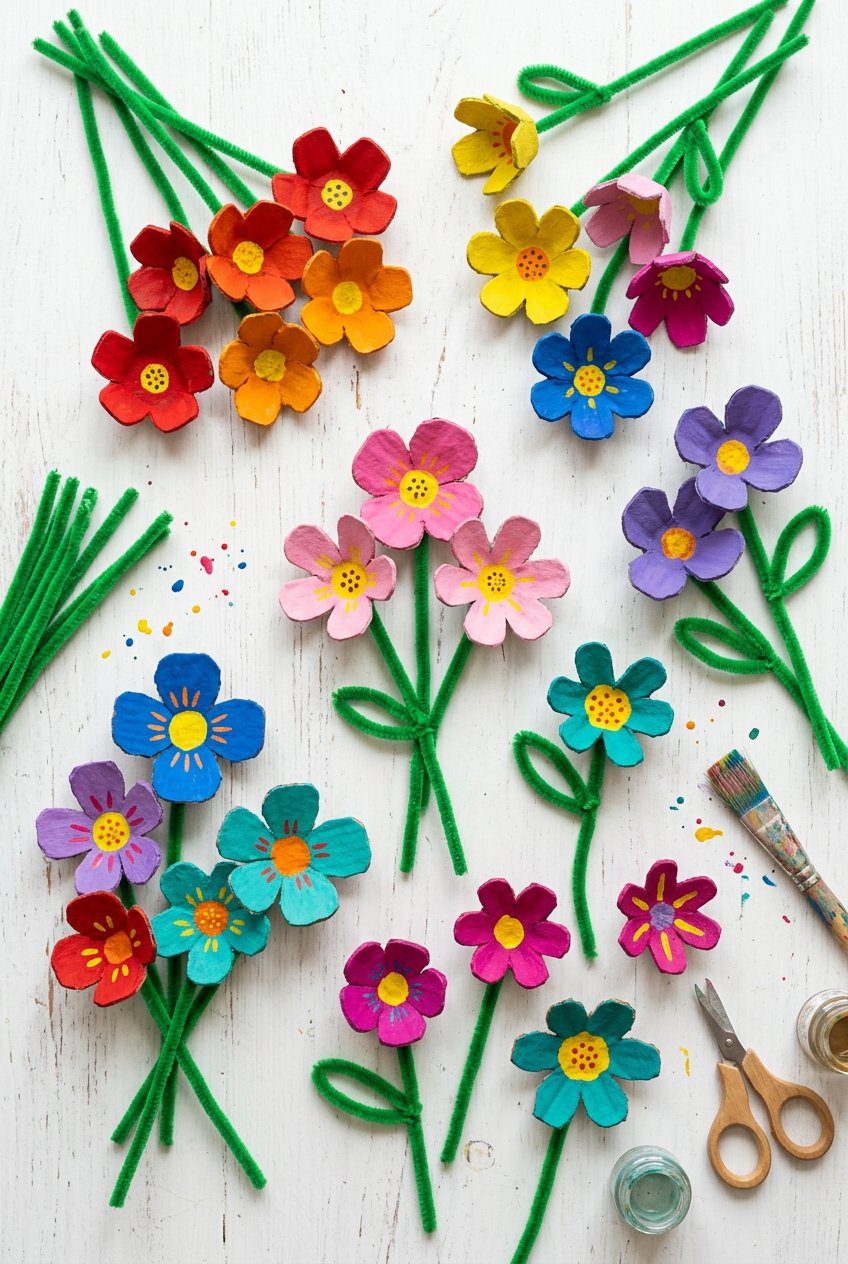
Cut out the individual cups of a cardboard egg carton, trim the edges to look like petals, and paint them. Push a green pipe cleaner through the center for a stem.
This is an excellent way to reuse materials. A bunch of these cardboard flowers looks beautiful in a toy vase.
Yarn, Felt, & Fabric Play
These tactile fabric crafts encourage fine motor development and creative play using soft materials.
21. Simple Yarn Finger Knitting
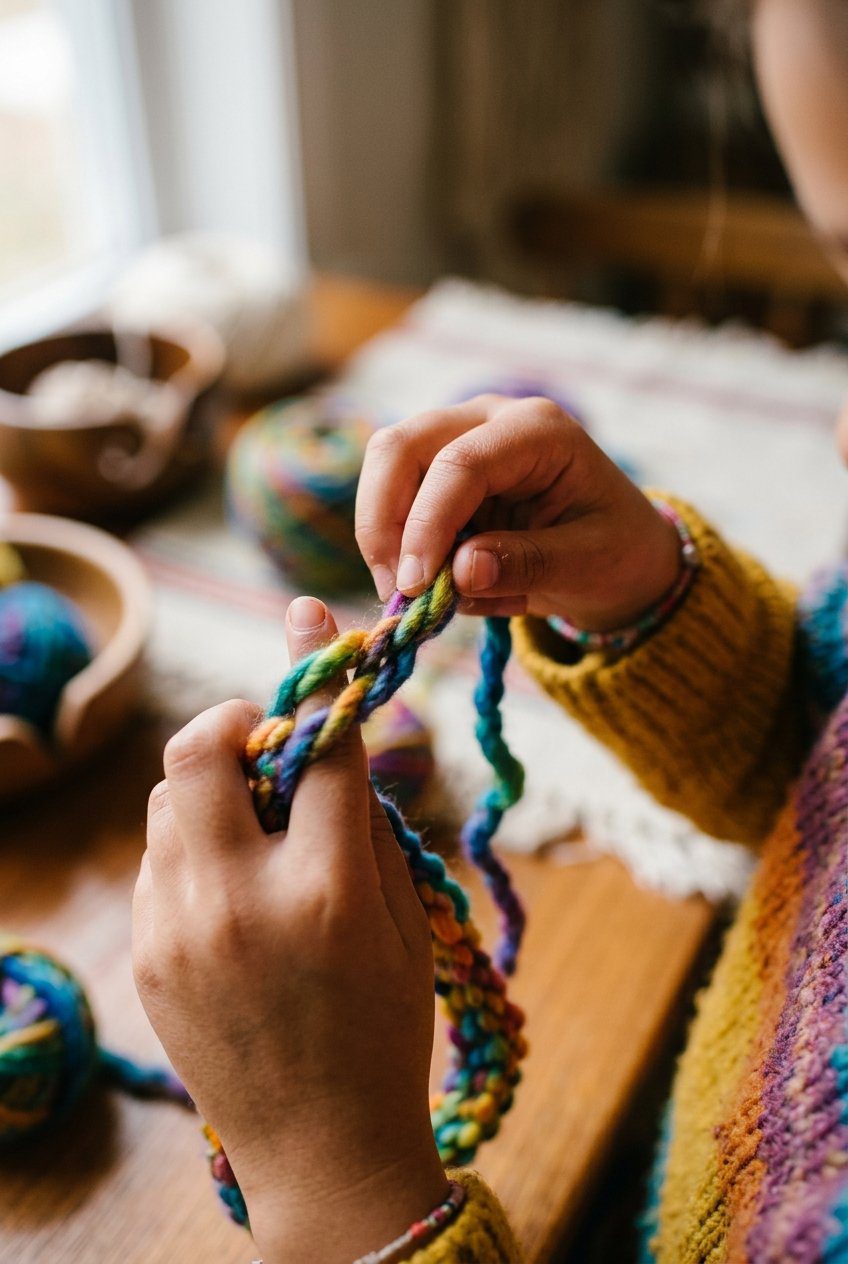
Teach your child how to loop yarn around their fingers to weave a soft knit chain. It is a relaxing craft that keeps hands busy during long car rides.
Using thick, chunky yarn is best for small fingers to handle. It builds manual dexterity.
22. Felt Pizza Pretend Play Kit
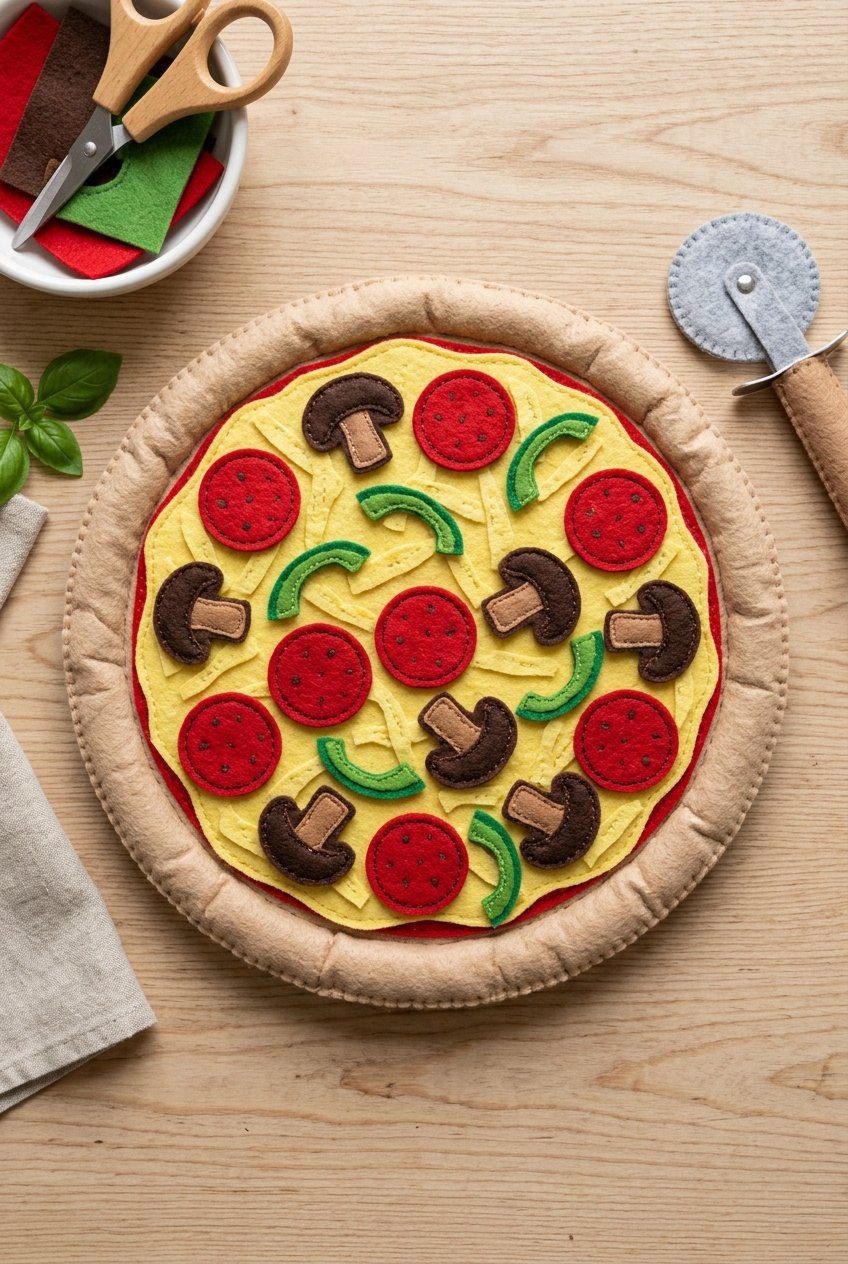
Cut out shapes from thick wool felt to represent pizza crust, cheese, and toppings like pepperoni, mushrooms, and green peppers. Kids can design their own custom pizzas.
Felt naturally clings to itself without glue, making it an excellent material for puzzle play. It has high durability.
23. DIY Paper Plate Animals
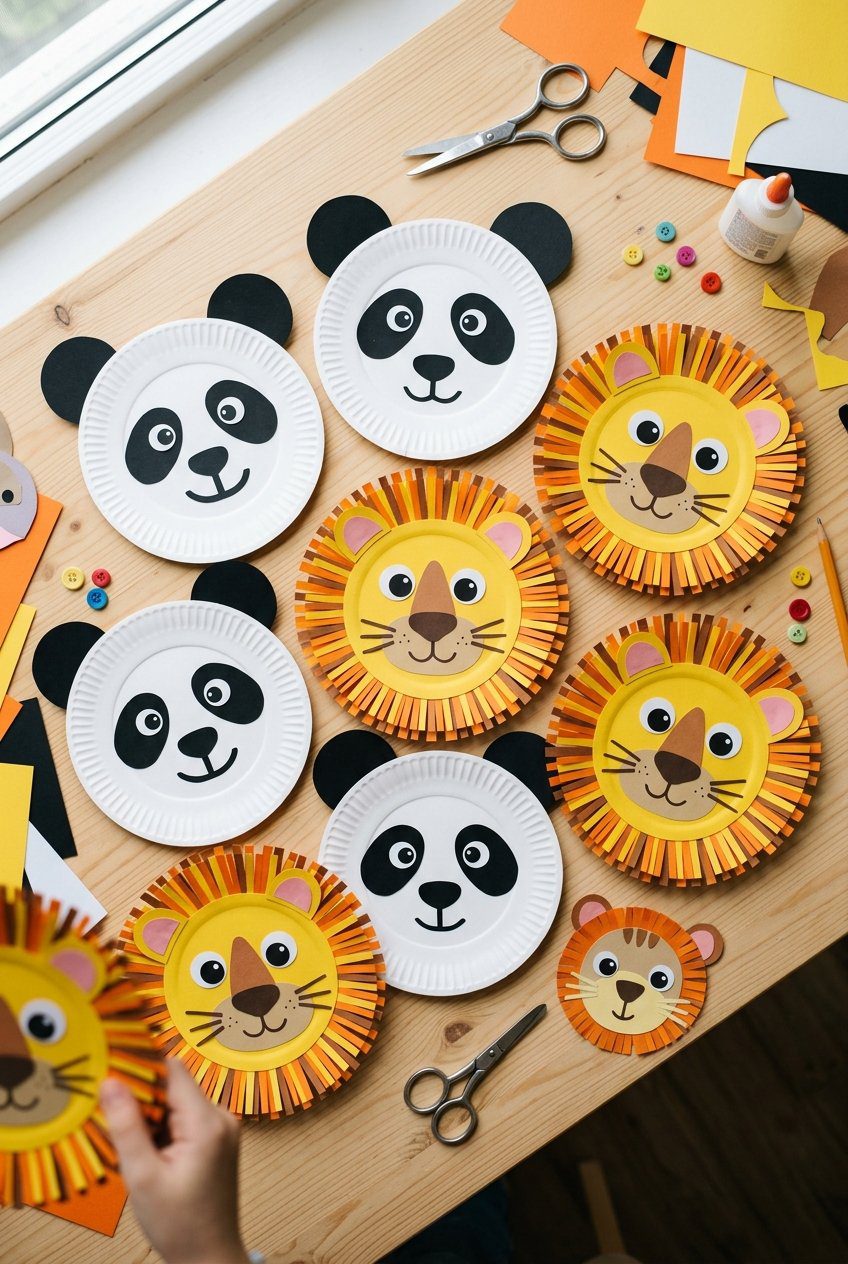
Paint basic white paper plates and glue on construction paper ears, eyes, and noses to create panda, lion, or bear faces.
This is a simple craft that works well for large playgroups. It requires very little preparation.
24. Homemade Twig & Yarn Dreamcatcher
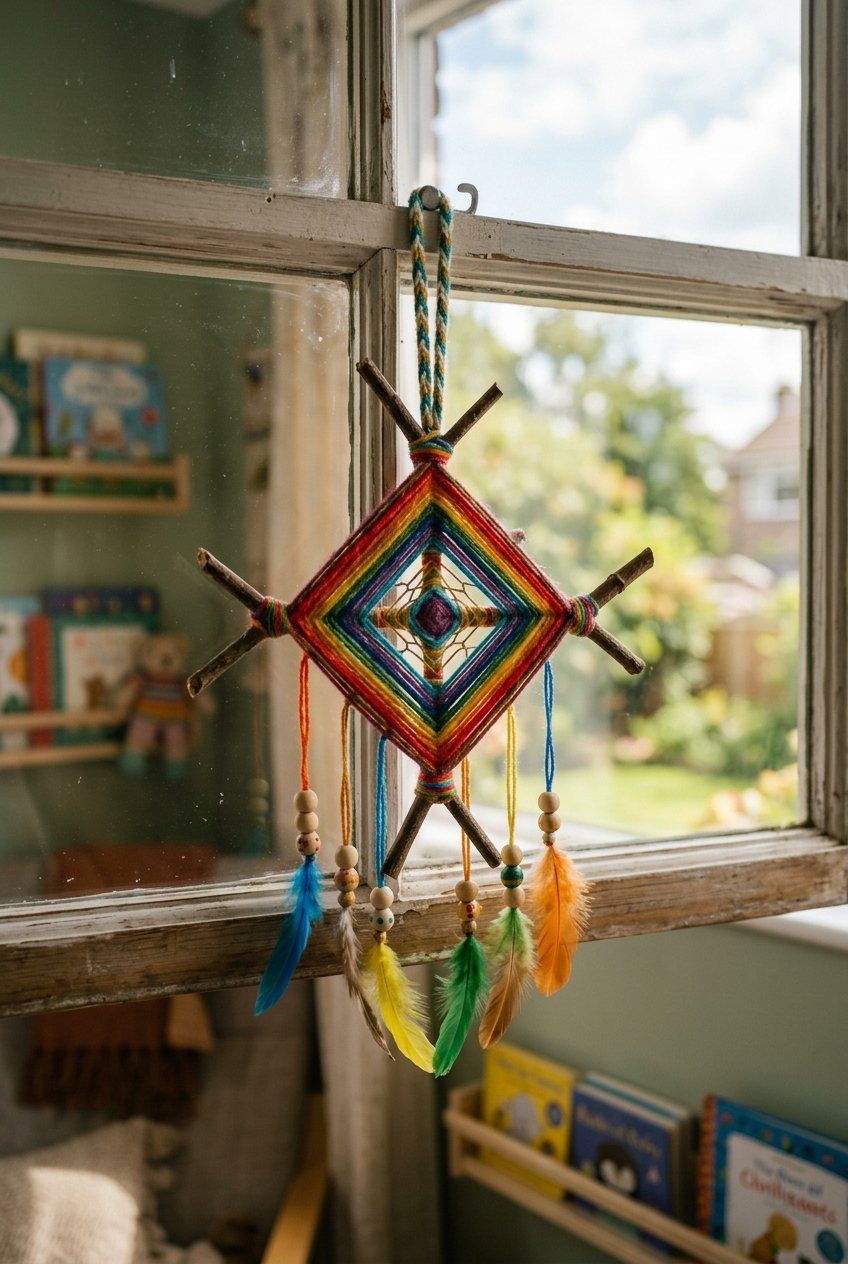
Bind two small twigs together in a cross shape, then weave colorful yarn around the branches to build a geometric pattern.
This simple weaving pattern is soothing to make. It looks beautiful hanging in nursery windows.
25. Easy No-Sew Fabric Super Cape
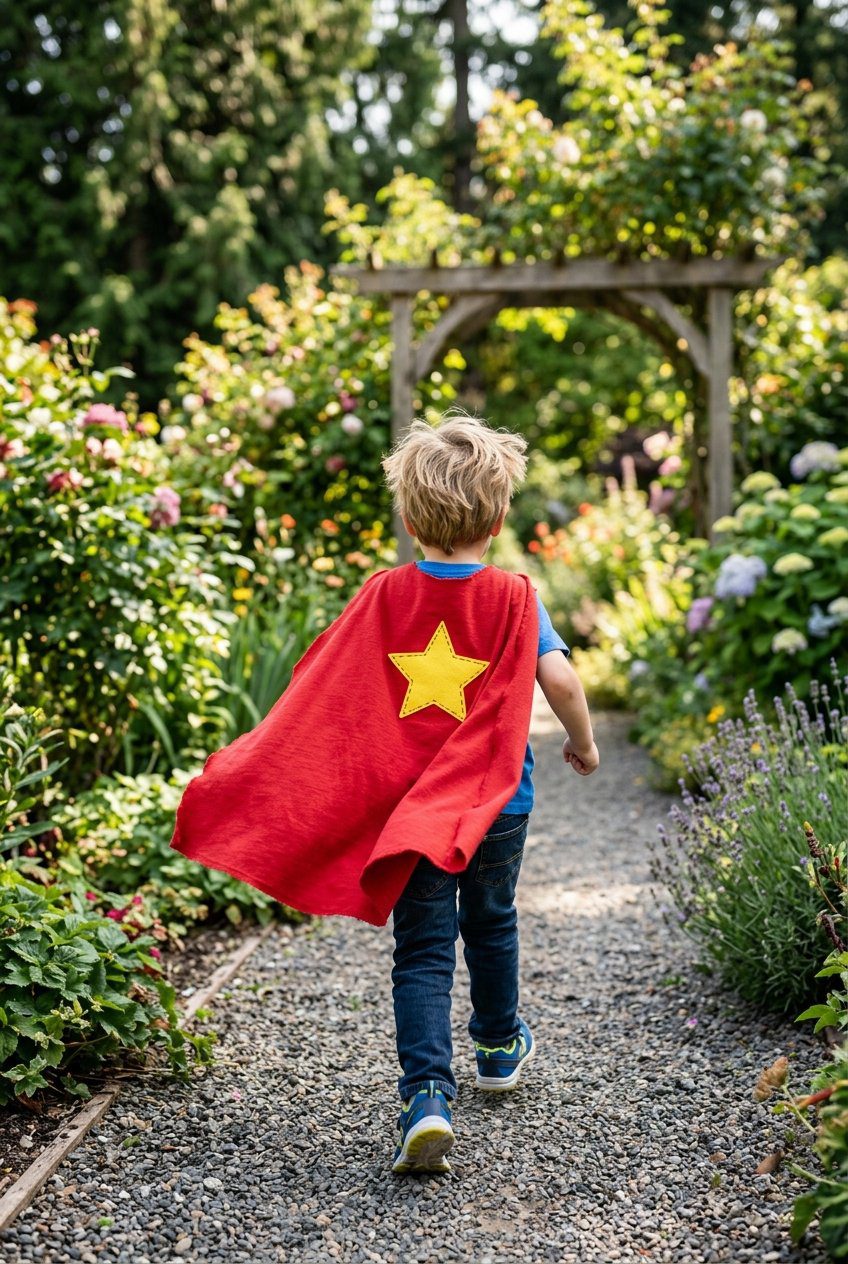
Cut a basic cape shape from a yard of soft, stretchy jersey knit fabric. Attach a felt star or initial to the back using iron-on backing.
This no-sew project is incredibly quick to assemble. It is perfect for dress-up and pretend play games.
Sloane’s Take
“Do not worry about the finished product looking perfect. The goal of DIY crafting is the sensory experience and connection you share while building it. Keep your projects open-ended, follow safety guidelines, and celebrate the messy, creative process of play.”
Visual Inspiration: Some imagery in this article was created using AI rendering tools to serve as design concepts. Real-world styling alternatives are recommended below each idea.