Rainy days and long afternoons inside can sometimes feel endless when you are caring for energetic kids. It is easy to reach for the tablet when boredom sets in.
However, indoor play is a prime opportunity to build concentration and release energy without screens. With a little creativity, your living room can become an active playground.
During my work as a pediatric behavioral specialist, I saw how indoor environments impact a child’s nervous system. Structured physical play helps regulate energy levels and improves mood.
Before setting up active games, make sure your play space is fully childproofed. Secure heavy shelves and clear away clutter to avoid slips.
For official advice on securing furniture and preparing safe play zones, check the AAP childproofing safety guidelines before you begin.
If you are looking for more structured setups, check out our guide on the summer toddler activity pack. We also reviewed the best non toxic play mats for cushioning active indoor play.
Here are 15 simple, engaging indoor activities that will keep your kids active, happy, and entertained for hours.
Active Indoor Movement Games
These energetic games help kids burn off physical energy and build motor skills on rainy days inside.
1. Hallway Balloon Tennis
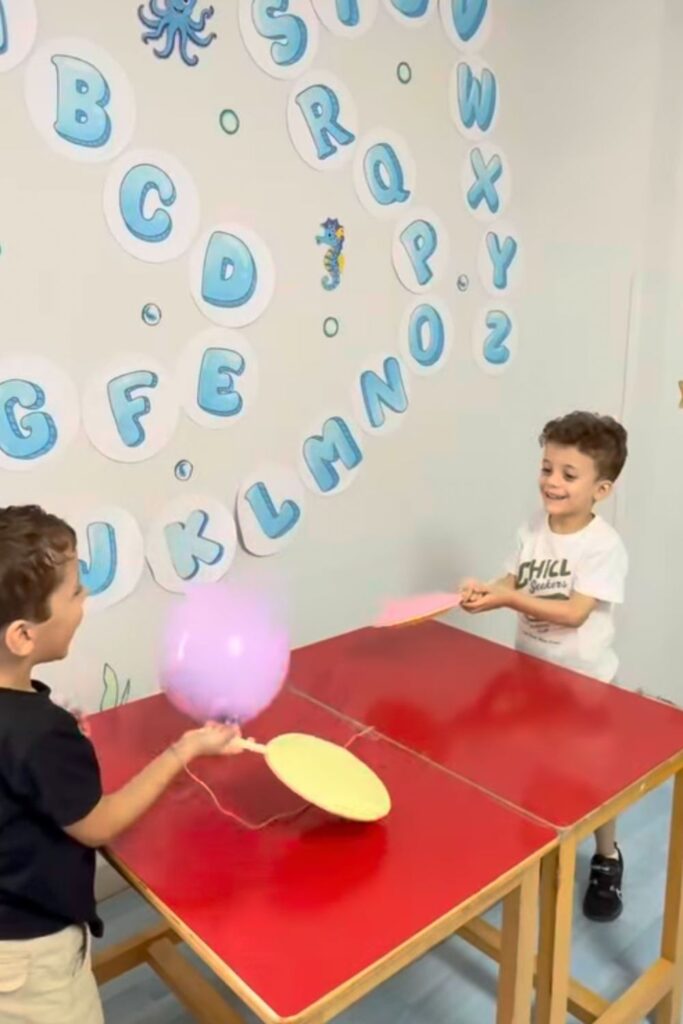
Tape plastic spoons or popsicle sticks to paper plates to make rackets. Inflate a balloon and let your kids play tennis down a carpeted hallway.
Balloons move slowly through the air, giving toddlers plenty of time to coordinate their swings. It is a fantastic hand-eye coordination game.
2. Cozy Living Room Fort
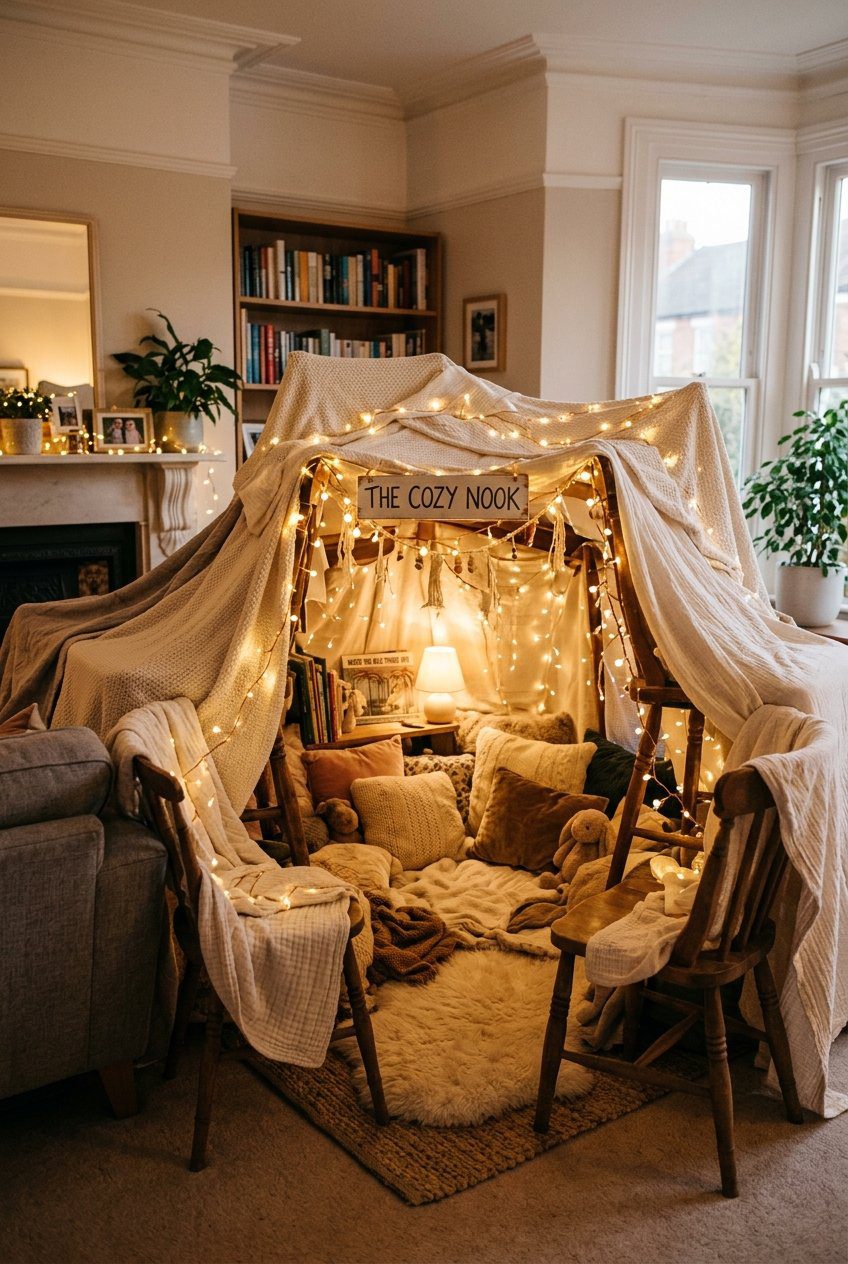
Drape blankets and sheets over chairs, tables, and sofas to build a secret hideout. Fill the inside with soft cushions, books, and battery-powered tea lights.
Building forts teaches kids spatial relationships and basic engineering. It provides a comforting, low-sensory sanctuary for quiet time.
3. Sticky Wall Target Toss
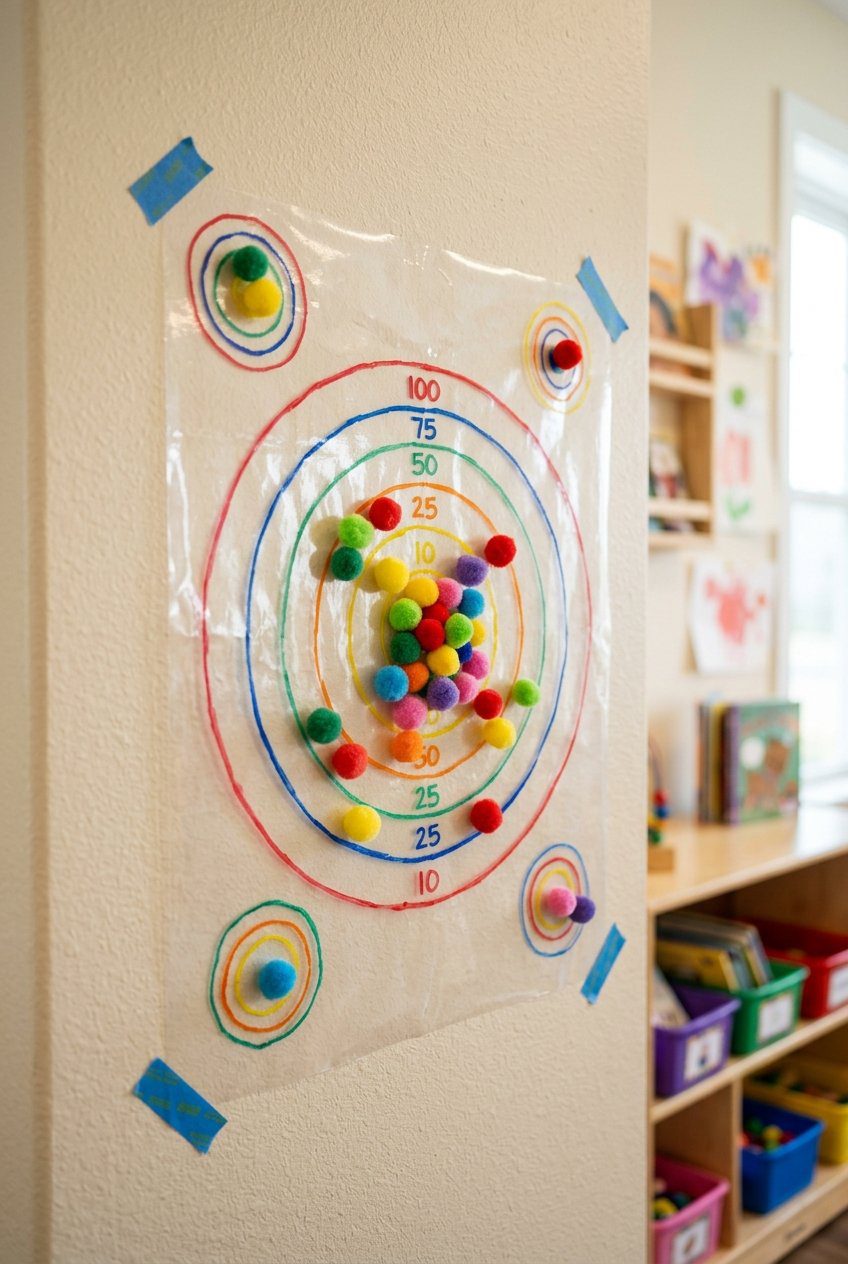
Tape a sheet of contact paper sticky-side-out on a wall or door frame. Let your kids toss lightweight yarn pompoms at the sticky surface to hit targets.
Tossing lightweight pompoms is safe for walls and window glass. It helps develop gross motor targeting skills.
4. Indoor Sensory Walking Path
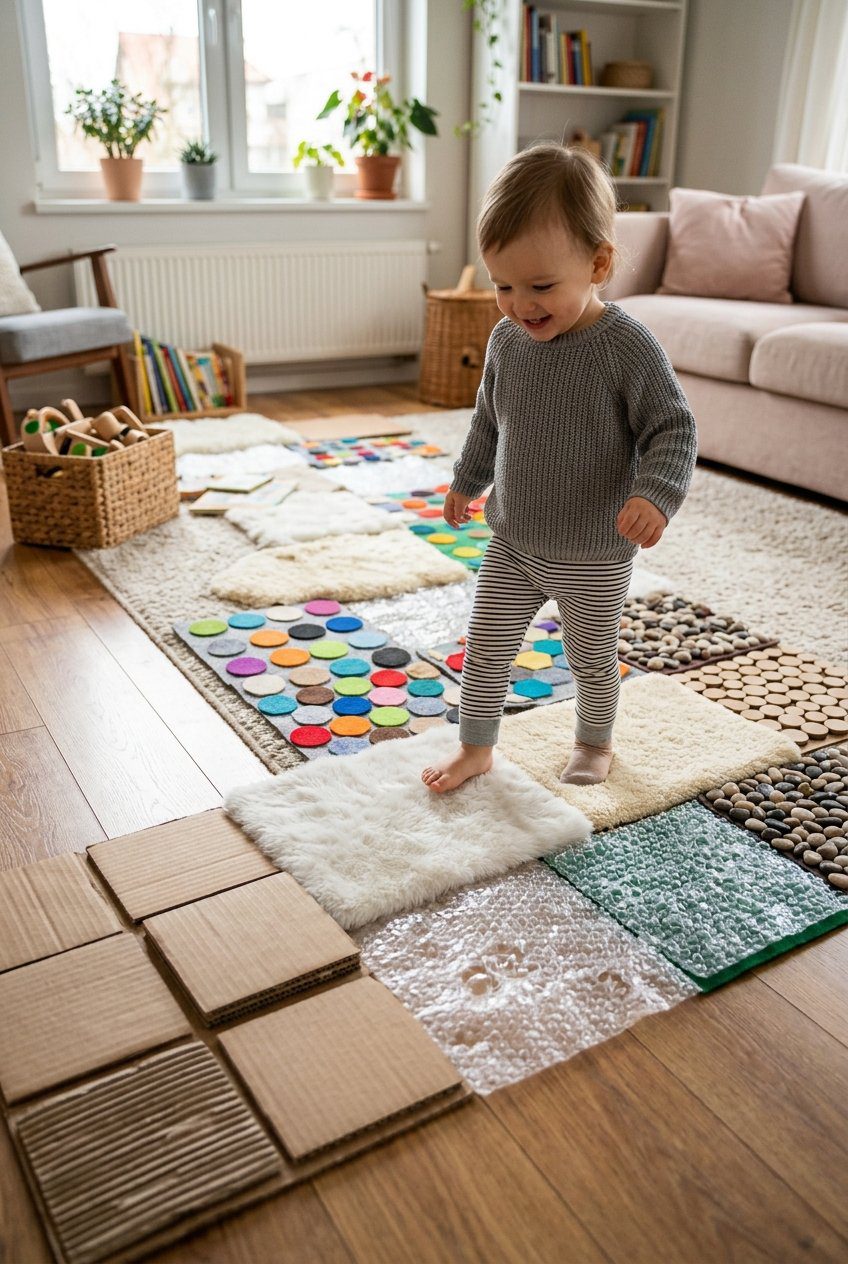
Lay down different tactile materials on the floor, such as bubble wrap, corrugated cardboard, felt, and yoga mats. Let your child walk barefoot along the path.
Sensory paths stimulate nerve endings in the feet and build balance. It is highly beneficial for toddlers with sensory-seeking behaviors.
5. Flashlight Scavenger Hunt
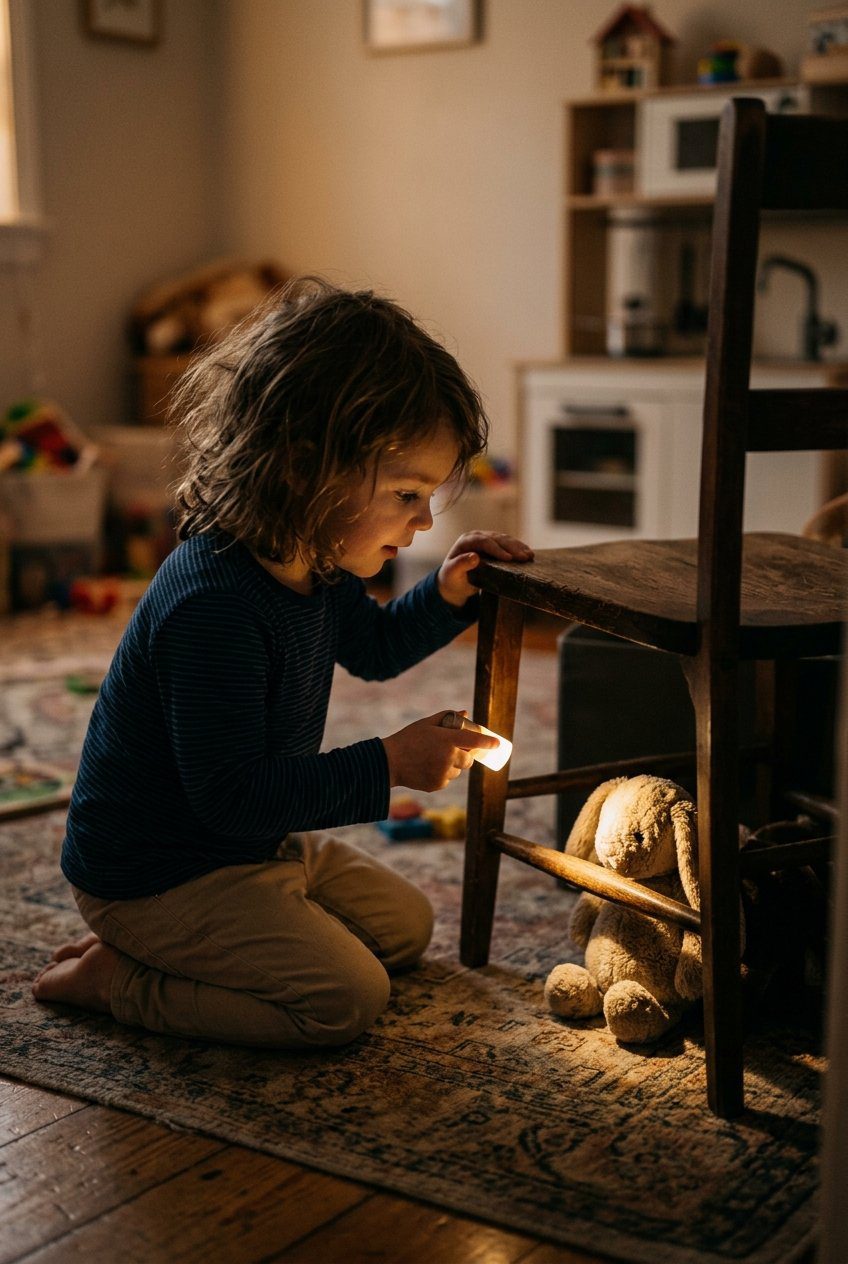
Dim the lights in a room and hide stuffed animals in corners, behind doors, or under tables. Give your child a flashlight to explore and find the hidden toys.
The darkness adds a sense of adventure without being scary. It is a wonderful wind-down activity before bedtime.
6. Living Room Dance Party
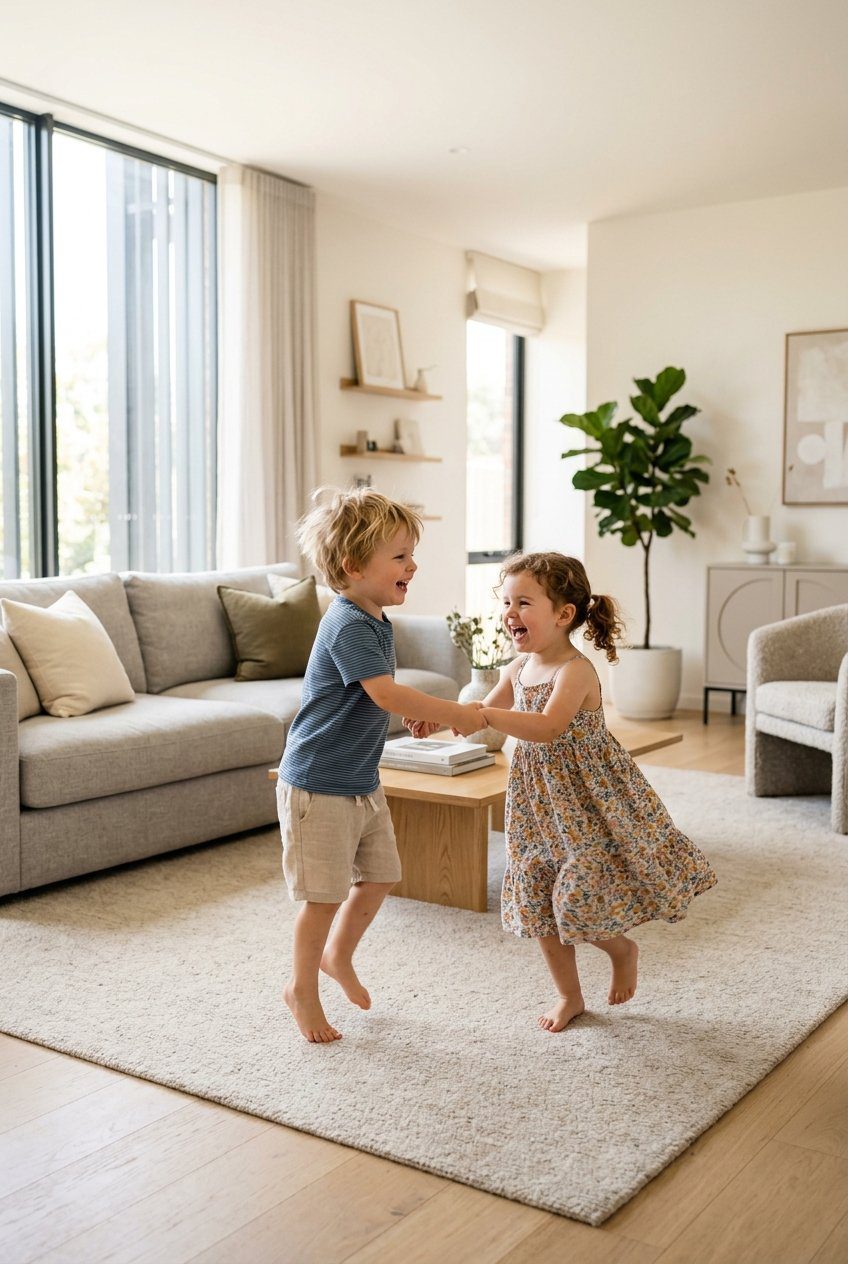
Put on an upbeat playlist and let everyone shake out their energy. Play freeze dance by pausing the music at random intervals.
Dancing develops muscle coordination, rhythm, and cardiovascular health. It is a quick way to lift spirits during rainy afternoons.
7. Tape Line Balance Beam
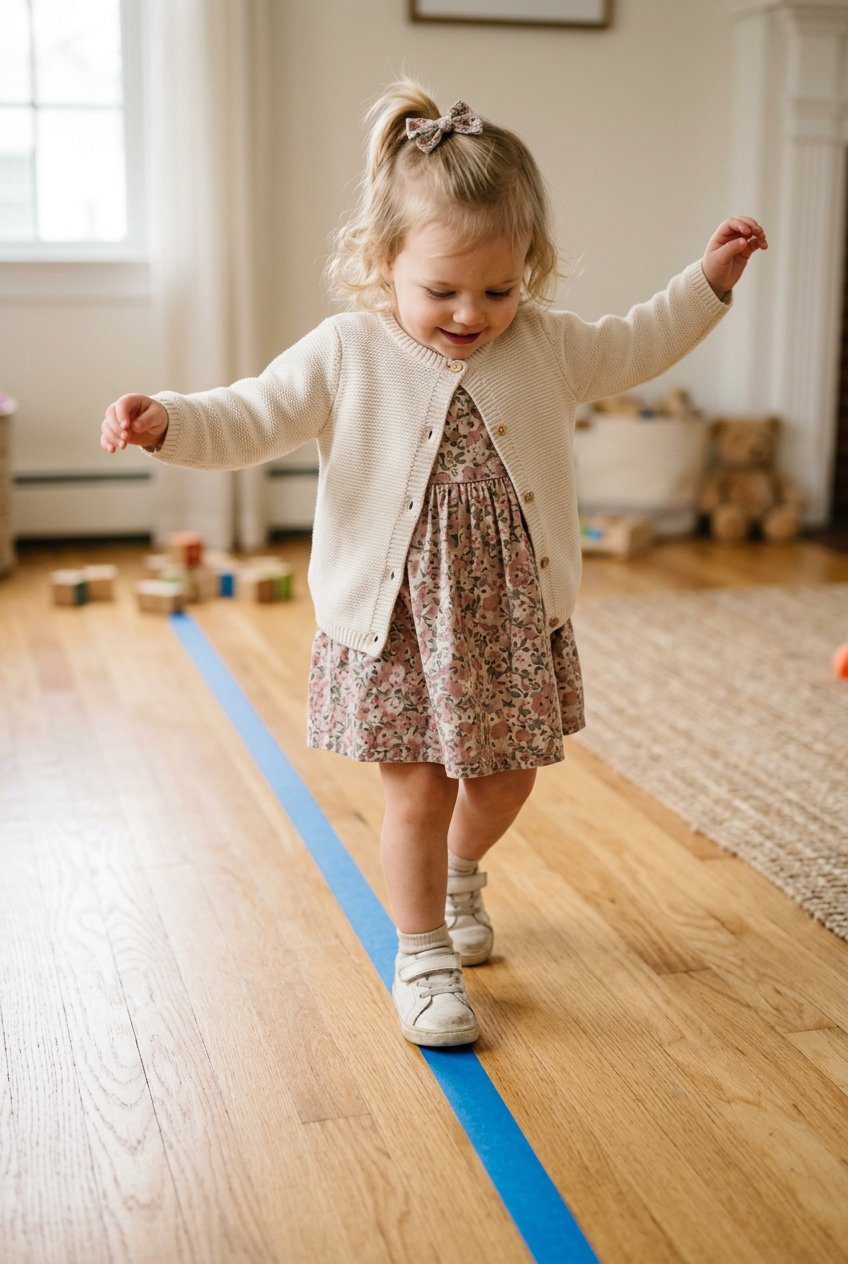
Stick lines of colored painter’s tape on your hardwood or carpeted floor. Challenge your child to walk heel-to-toe along the lines without stepping off.
Painter’s tape is completely safe and leaves no residue on floors. It builds core physical balance and focus.
8. Toy Wash Day
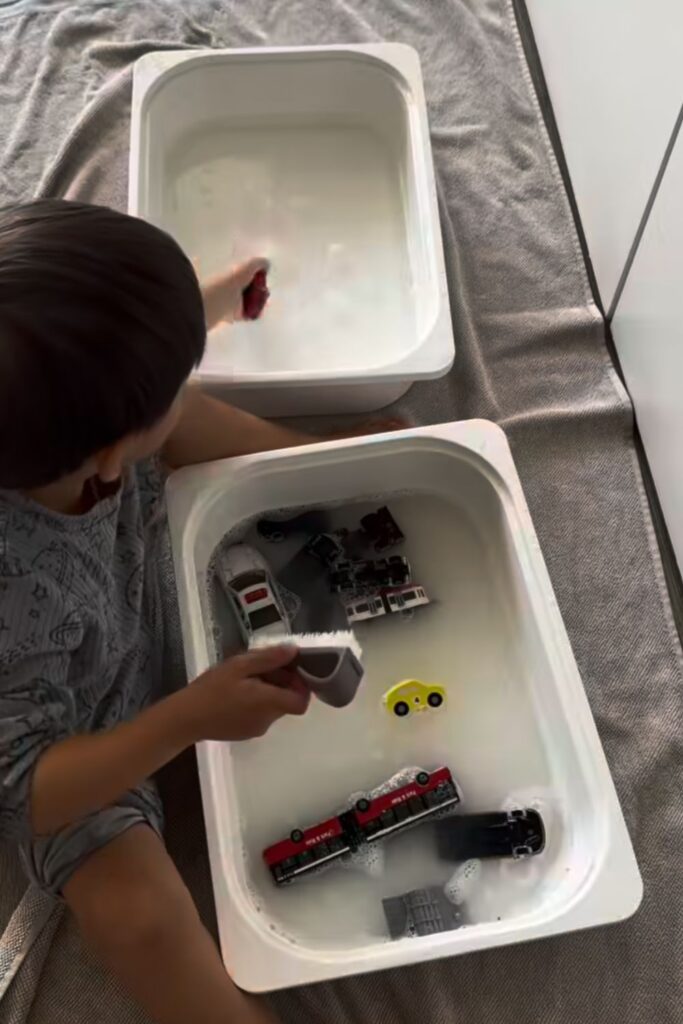
Fill a plastic bin with warm, soapy water and gather dirty plastic animals or toy cars. Give your child an old toothbrush and a towel to scrub them clean.
Water play is deeply soothing for children. The focused, repetitive scrubbing motion encourages patience and fine motor control.
9. Audio Book Listening Nook
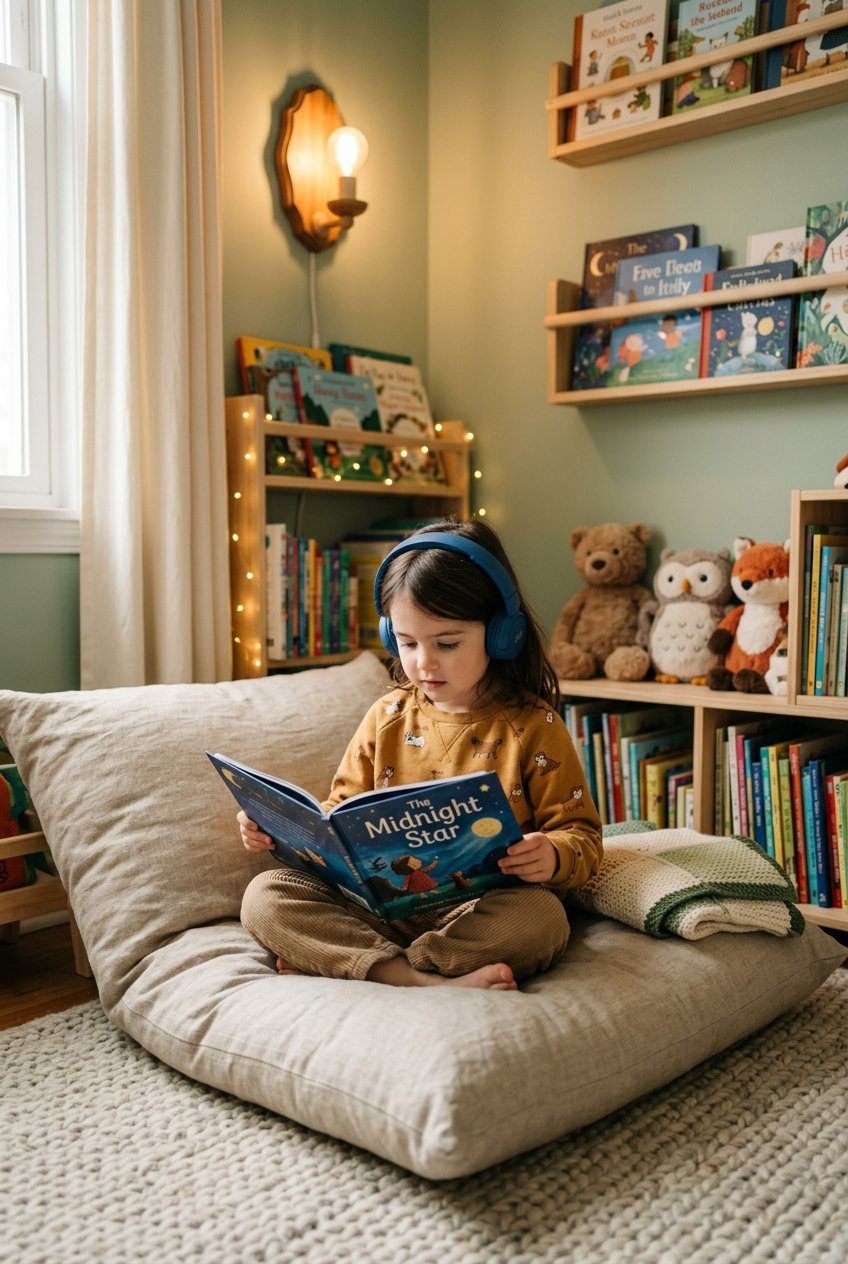
Set up a comfortable floor pillow corner with a collection of picture books. Play a child-friendly audio book or read-along podcast.
Listening to audio books develops vocabulary and listening comprehension. It is a fantastic option for resting little bodies between active games.
10. Hide and Seek Toy Rescue
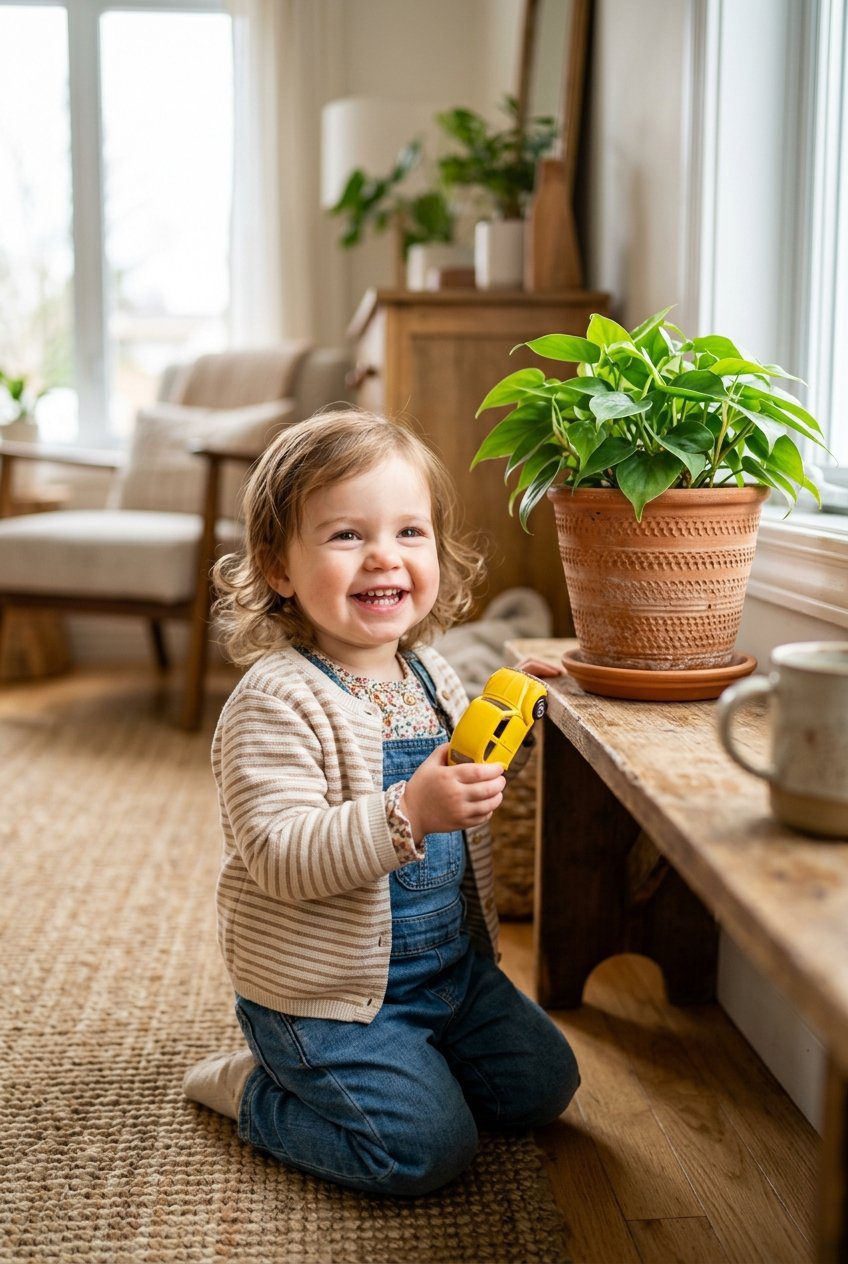
Hide five to ten toy cars or blocks around a single room. Ask your child to locate and collect them all in a small storage basket.
This game exercises visual scanning and spatial problem solving. It keeps children active while staying in one room.
11. Indoor Picnic Lunch
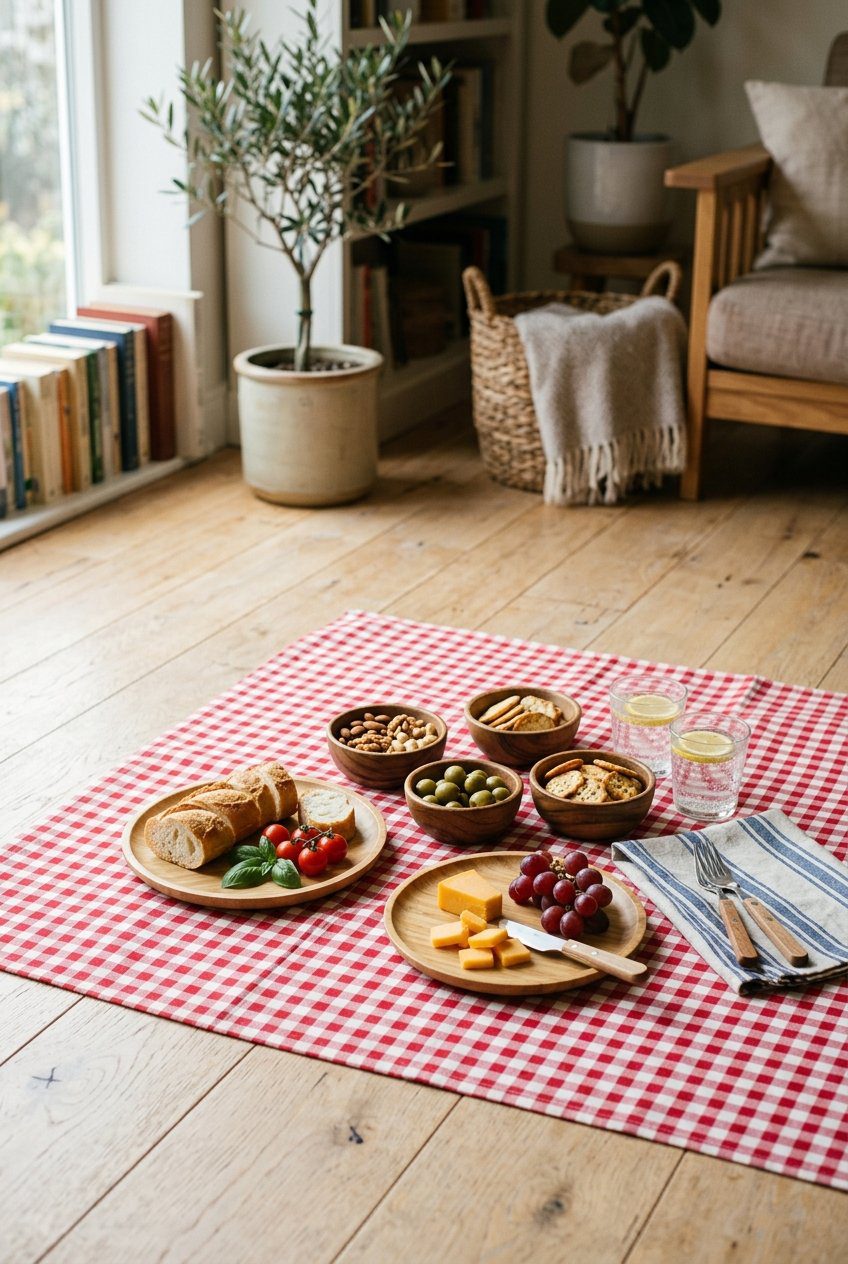
Spread a picnic blanket on the living room floor and serve lunch or snacks in small bowls. Break up the routine by eating sitting on the floor.
Changing the context of routine events makes them feel special. It turns lunch into an exciting, happy event.
12. Giant Floor Puzzle Building
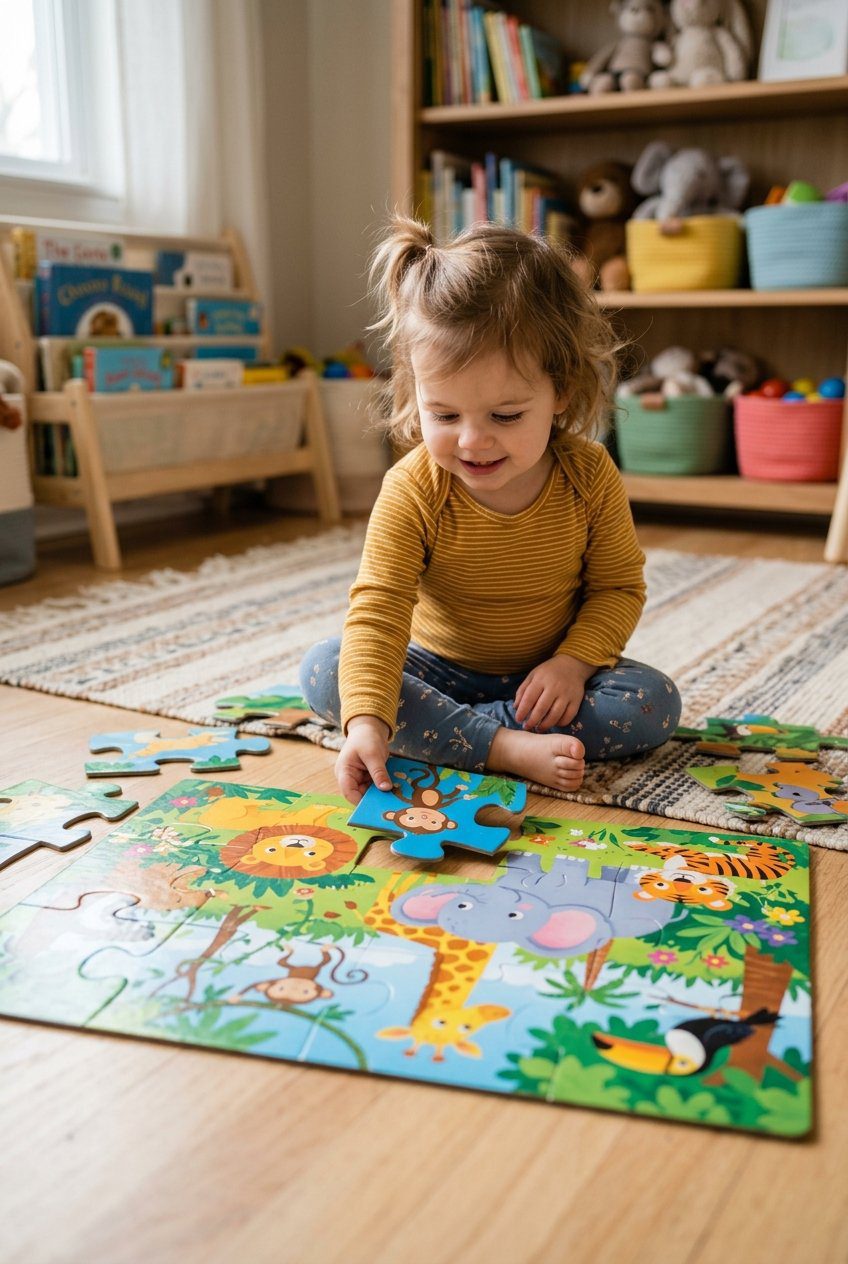
Clear a large floor space and work on a giant cardboard puzzle together. Let your child find matching border pieces and colors.
Floor puzzles build fine motor skills, shape matching, and cooperation. It is a wonderful slow-paced game for siblings.
13. Indoor Bowling Alley
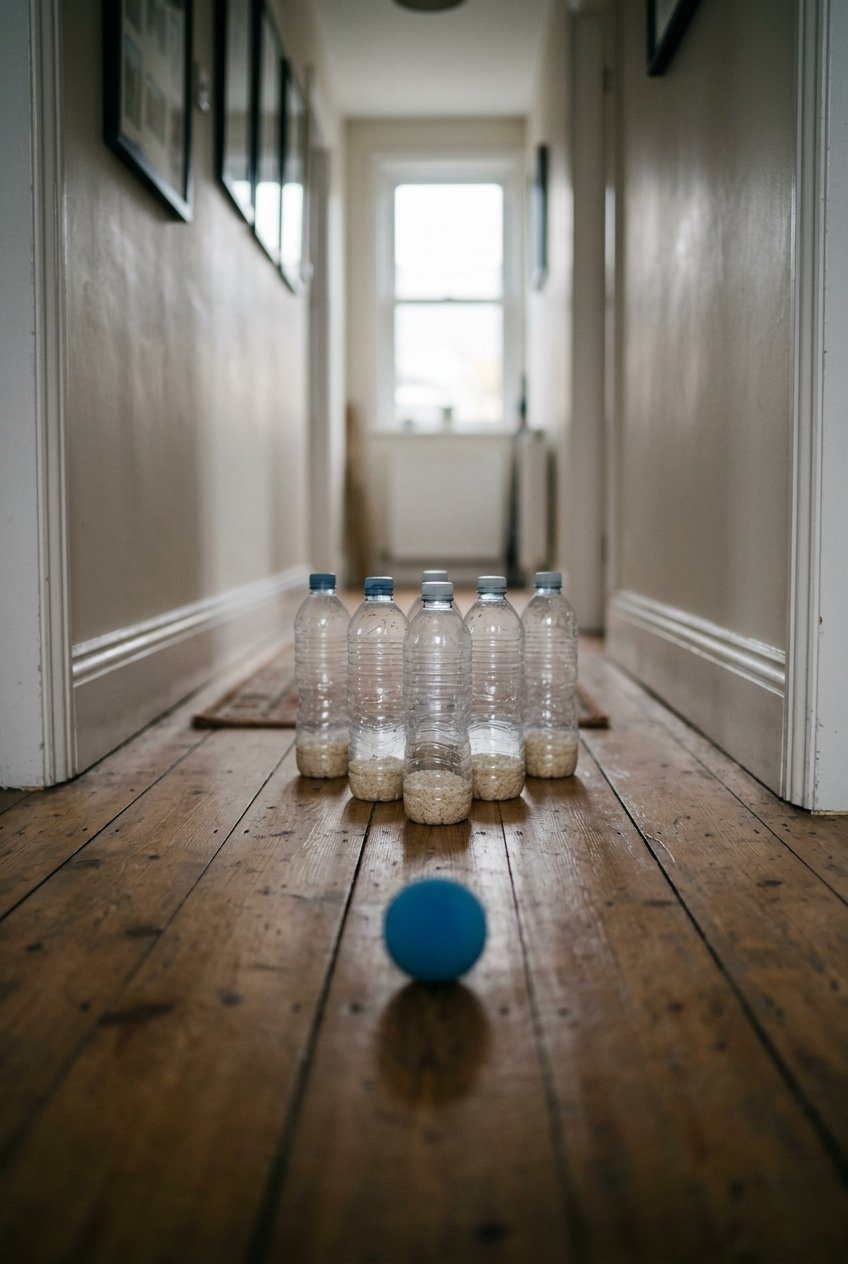
Line up six empty plastic bottles at the end of a hallway. Give your child a soft foam ball to roll and knock down the makeshift pins.
Knocking things down is deeply satisfying for young children. It offers safe, repetitive play without loud noise.
14. The Floor is Lava
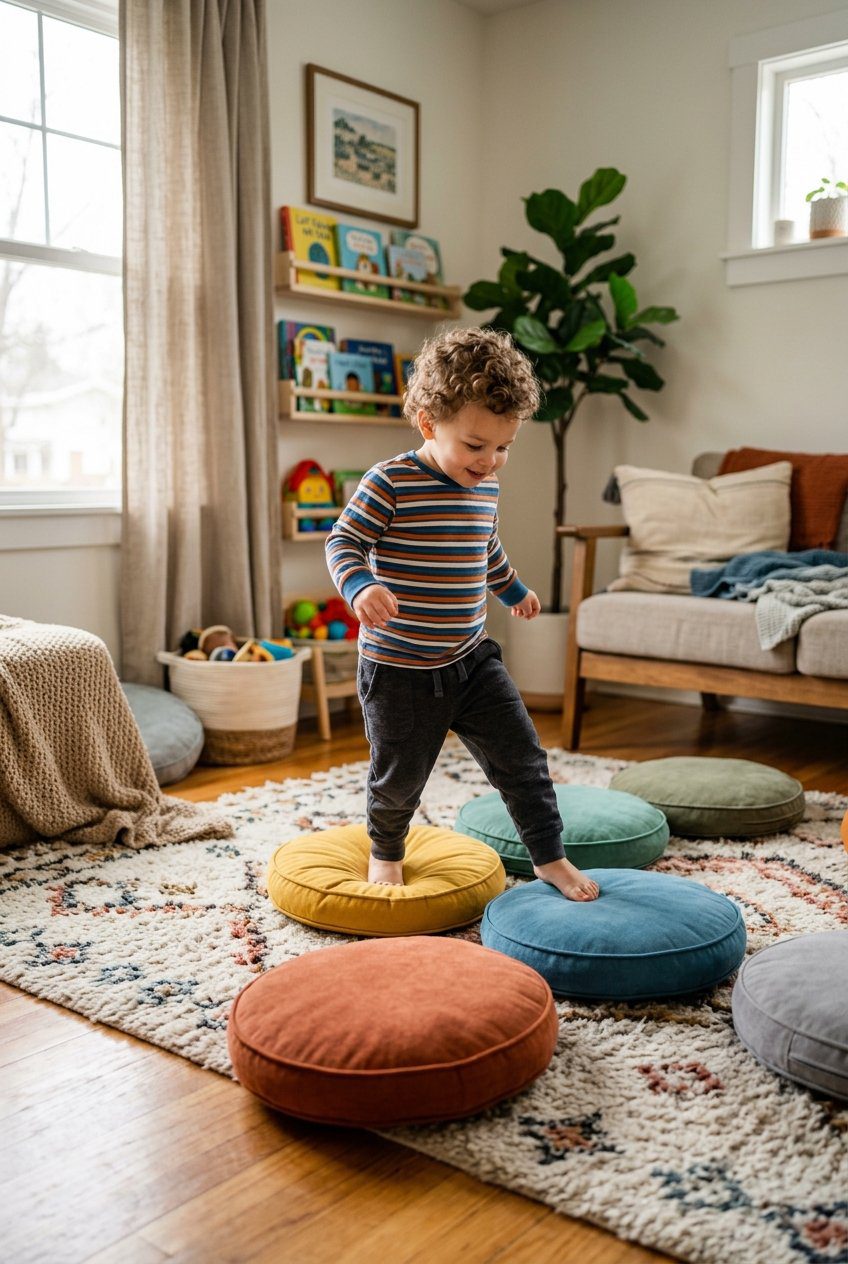
Scatter cushions, yoga blocks, and small blankets across the floor. Instruct your child to climb from pillow to pillow without stepping on the bare carpet.
Make sure the cushions are on a non-slip rug to prevent sliding. It builds muscle strength, balance, and core stability.
15. Mirror Copycat Dance
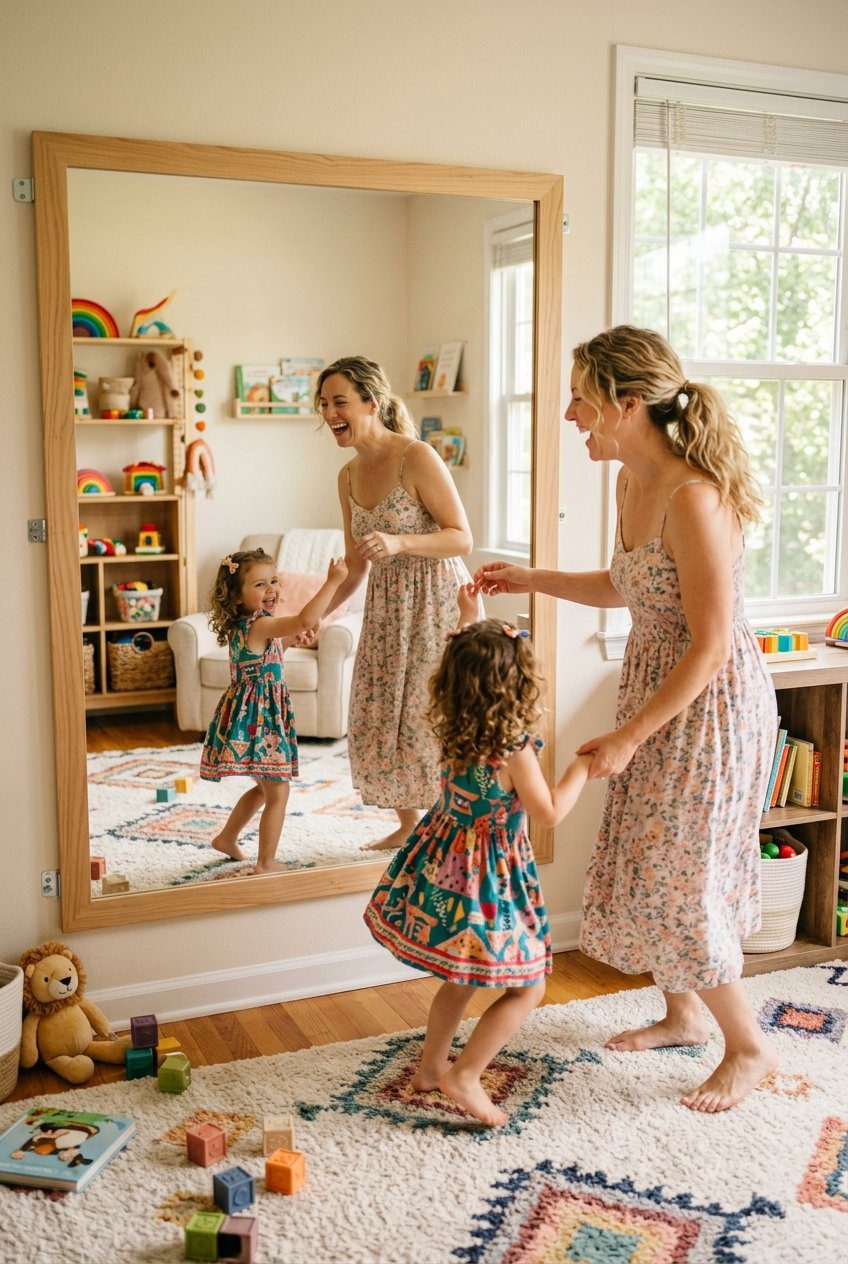
Stand in front of a mirror and take turns leading simple dance moves, such as raising arms, wiggling hips, or hopping. The other person must copy the movements exactly.
Mirror play builds body awareness and facial expression recognition. It is a highly bonding, giggle-filled activity.
Sloane’s Take
“Indoor play doesn’t have to be perfect to be successful. When things feel chaotic on a rainy day, simplify the environment, focus on connection, and let your kids guide the path of play. Often, the simplest games become the ones they remember most.”
Visual Inspiration: Some imagery in this article was created using AI rendering tools to serve as design concepts. Real-world styling alternatives are recommended below each idea.